
Meet the Team
Our project has been developed in dialogue with communities of scholars and practitioners from Asia. Grounded in international collaborations, our research emphasizes respect for local communities, traditional lineages and custodians of cultural heritage.
MANTRAMS operates in close collaboration with Andrea Acri and the ERC project MANTRATANTRAM (ID 101124214). Further information at the MANTRATANTRAM website. Additionally, official collaborators are the Development Research Initiative (dRi) in Dhaka (Bangladesh) and IISER Pune (India). Others will follow shortly.
Filter by...
Borayin Larios
Corresponding Principal Investigator (cPI)
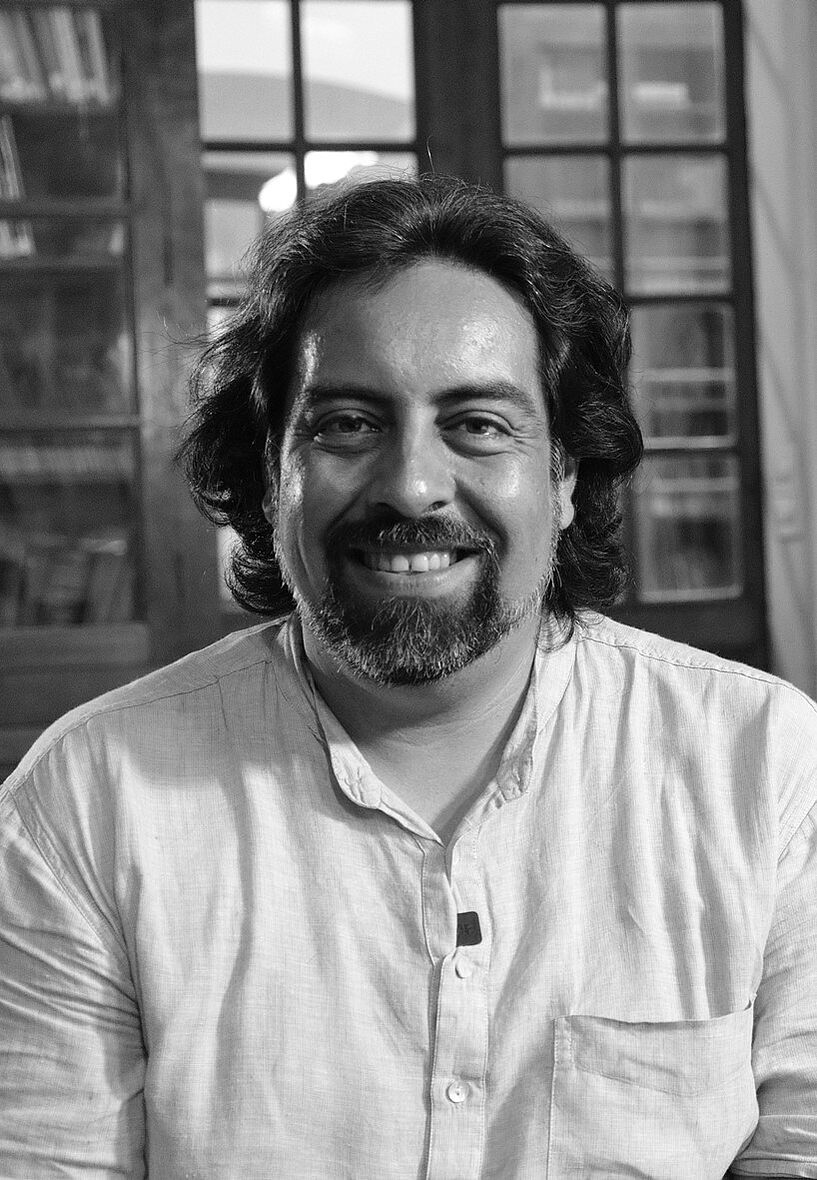
Borayin Larios is an Assistant Professor for Modern South Asian Studies at the University of Vienna. He leads Task Force 3 on the materiality of mantras, focusing on their visual, embodied, and digital forms across South Asia. His team’s research examines mantra-inscribed objects, their commodification, and their role in digital spaces.
Drawing on fieldwork in Mumbai and Pune and Digital Ethnography, Borayin explores the intersection of mantras, madia, and their broader roles in religion and society. As part of his involvement in the Task Force, he oversees the project’s exhibition, which will share key findings and offer an insightful exploration of the material culture of mantras.
Carola Lorea
Principal Investigator (PI)
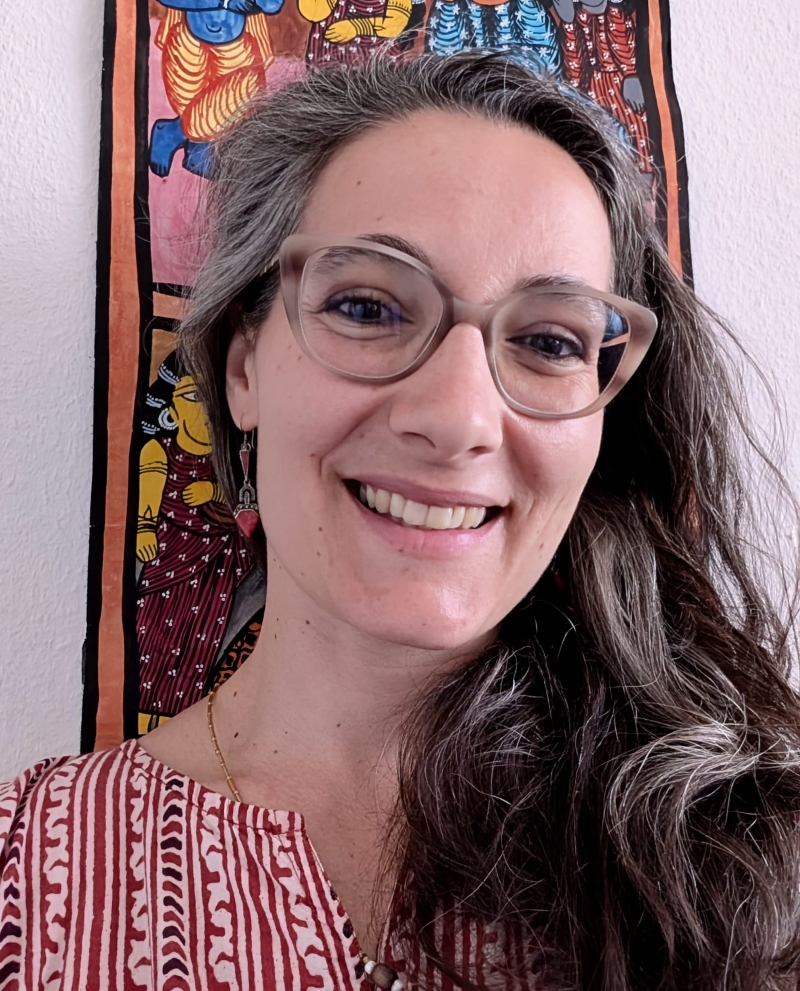
Carola Lorea holds the Junior Professorship “Rethinking Global Religion” at the University of Tübingen. She works on sound, oral traditions and popular religious movements in South Asia, particularly eastern India, Bangladesh and the Andaman Islands. Her research foregrounds the gendered body sensorium for the study of folklore, esoteric movements, Dalit religions and Tantric traditions.
Within MANTRAMS, she leads Task Force 2 on sonic efficacy to explore the intersection of sound, religion, and media, examining how mantras’ sonic dimensions are embedded in their social and cultural contexts.
Finnian Moore Gerety
Principal Investigator (PI)
finn.mooregerety@
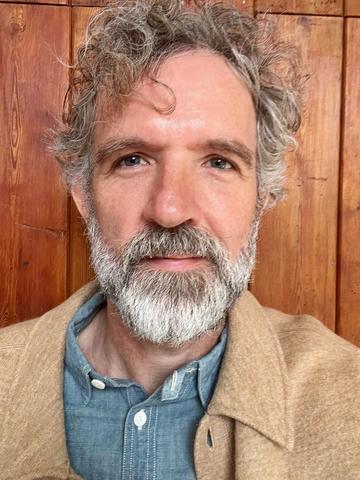
Finnian Moore Gerety is a Senior Research Fellow in the Faculty of Asian and Middle Eastern Studies at the University of Oxford and Research Fellow at Harris-Manchester College. He leads Task Force 1, which investigates the historical and textual foundations of mantras, focusing on their evolution and transmission within South Asian religious traditions.
His research spans the history of South Asian religions, Vedic texts and rituals, contemporary Hinduism in South India, mantra studies, yoga studies, and sound studies. He examines how mantras navigate between historical contexts and contemporary practices.
Andrea Acri
Lead Researcher
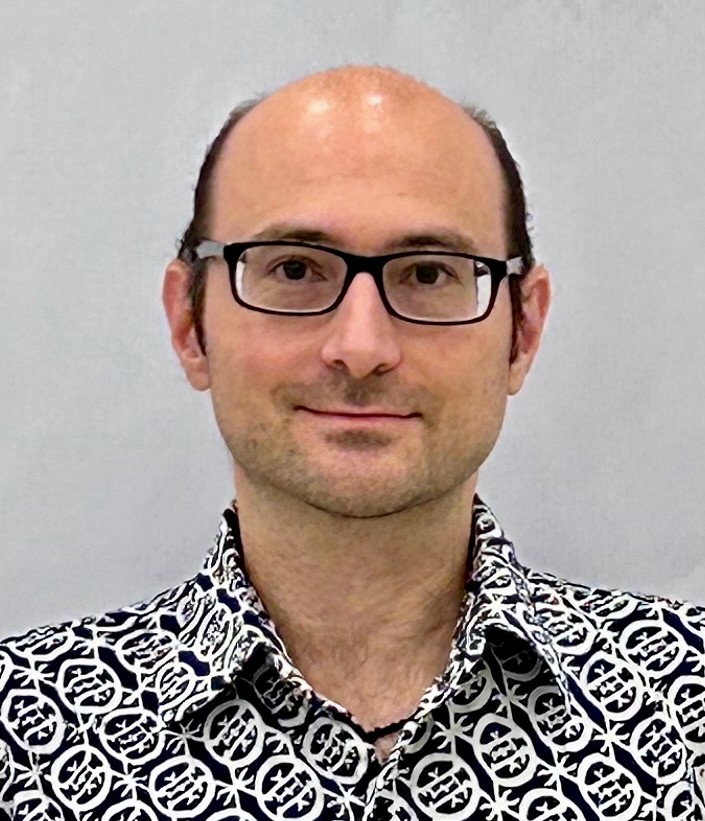
Andrea Acri (PhD Leiden University; Habil. Université Sorbonne Nouvelle) is an Associate Professor in Tantric Studies at the Religious Studies section of the École Pratique des Hautes Études (EPHE), PSL University in Paris. His research explores Tantric Traditions across South and Southeast Asia and their maritime circulation across the wider region of Monsoon Asia through the disciplinary perspective of philology, with insights from art history.
In the MANTRAMS Project, he collaborates with PI Finn Gerety in the investigation, employing historical and philological methods, of the sources of mantras and the mapping of their transregional and transcultural streams across Asia. Besides his role in MANTRAMS, he is Principal Investigator of the project MANTRATANTRAM, ERC Consolidator grant (2024–2029).
Gudrun Bühnemann
Senior Researcher
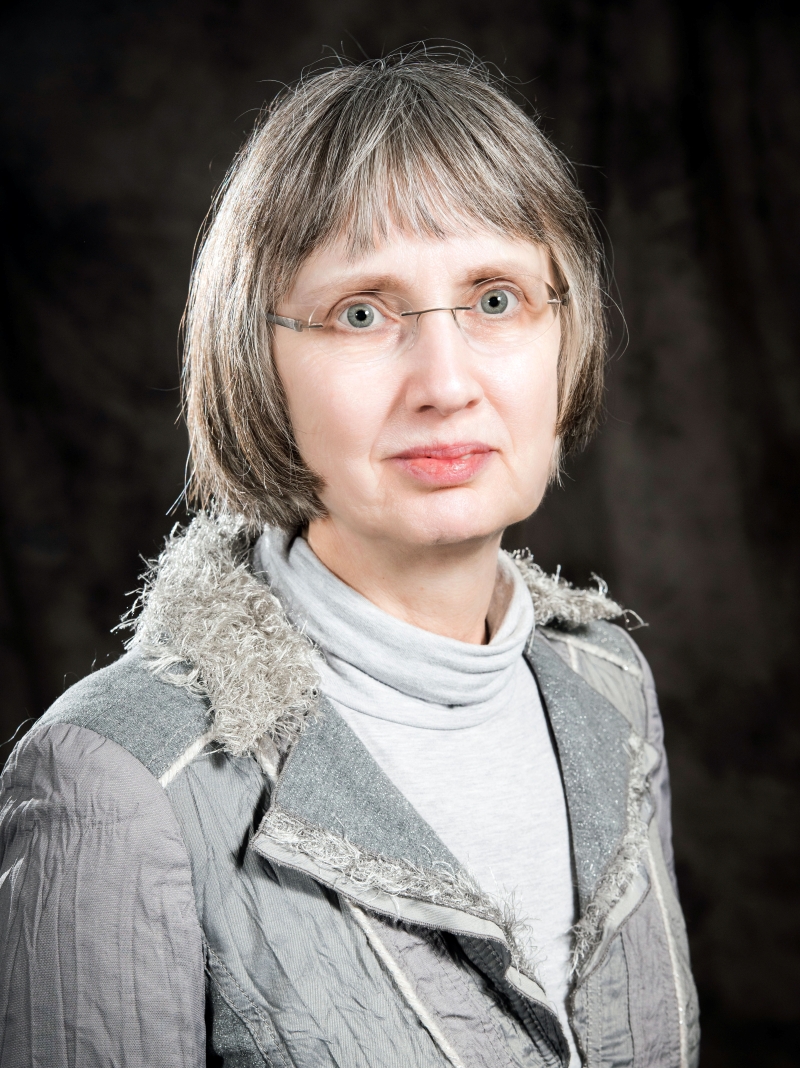
Gudrun Bühnemann is a professor in the Department of Asian Languages and Cultures at the University of Wisconsin-Madison, USA. She is involved with MANTRAMS as a senior researcher and affiliated with Task Forces 3 and 1.
Her research interests include mantras printed on or woven into cloth; maṇḍalas inscribed with mantras; mantras written repeatedly as a devotional practice (likhitajapa); mantras and dhāraṇīs inscribed on the façades of buildings; mantra monograms (kūṭākṣara); stotras as mantras and prescriptive Sanskrit texts detailing these practices.
Edda Sofie Schwarzkopf
Digital Humanities and Data Management Officer (DHDMO)
edda.schwarzkopf@
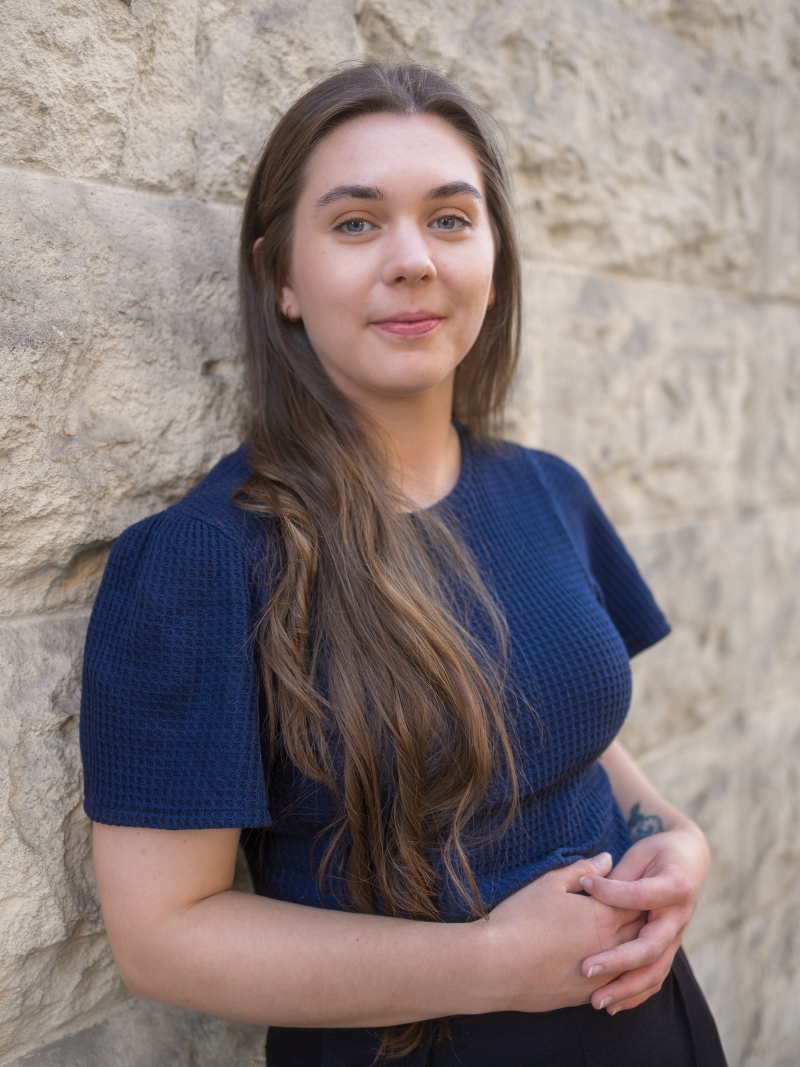
While most MANTRAMS team members are heading out into the world, Edda’s work is mostly concerned with holding down the technical fort at home. As Digital Humanities and Data Management Officer (DHDMO), she develops, maintains and mends the MANTRAMS Data Hub. She negotiates and collaborates with technicians, and transfers project materials and data to the OMnibus, an immersive multimedia website that will be a key deliverable of the project.
With a B. A. in Communication Science, Social and Cultural Anthropology and a M. Sc. in Digital Humanities, she is also in charge of navigating transparency and access with data protection and vulnerabilities as well as the digital sustainability of the project and data.
Darma Putra
PhD Researcher
i-gde-agus.
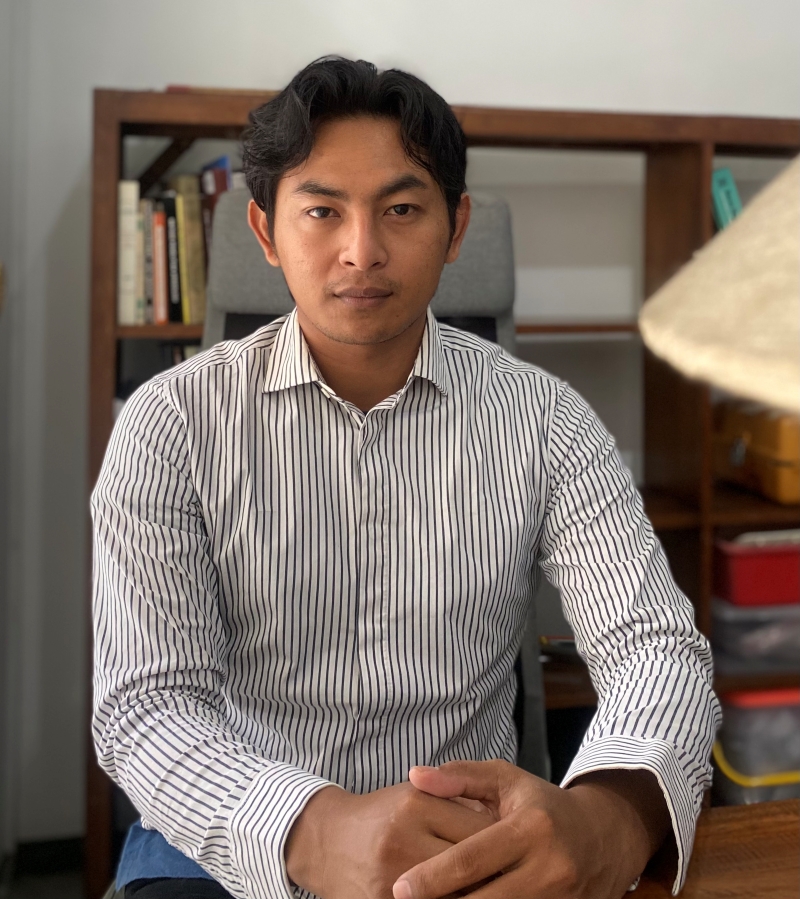
I Gde Agus Darma Putra is a researcher and lecturer at Hindu Indonesia University (Bali, Indonesia), and currently a doctoral candidate at the École Pratique des Hautes Études (EPHE) under the MANTRAMS project.
His dissertation, entitled ‘Unlocking Mystical Language: Mantras in Inscriptions and Transmitted Literature from the Indonesian Archipelago’, investigates a corpus of mantras attested in the region between the 9th and 16th centuries (mainly in Java, Bali, Sumatra, and Kalimantan) on the basis of epigraphic and manuscript sources, under the supervision of Andrea Acri and Arlo Griffiths. In addition to reconstructing the historical attestations and functions of these mantras, his research also examines their transmission and continuity within the living religious traditions of contemporary Bali.
Christèle Barois
PhD Researcher

Christèle Barois is an indologist working on transitional texts located on the periphery of the established closed religious traditions: the Dharmaputrikā Saṃhitā and, more broadly, the Śaiva Purāṇic literature. From 2003 to 2007, she was a research associate in the Indology Department of the French Institute of Pondicherry. Her thesis was devoted to the Vāyavīyasaṃhitā, an early medieval Śaiva text (11th c.). In 2015, she joined the ERC AyurYog project: “Medicine, Immortality, Moksha” at the University of Vienna. From 2021 to 2022, she carried on her study of embryogenesis narratives in medieval Sanskrit sources at the Institute for Advanced Study (Nantes).
As part of the ERC-funded MANTRAMS project at the EPHE, she is studying a corpus of mantras in early Śaiva and Yoga sources (Purāṇas and Tantras), and working in collaboration with Andrea Acri on the relevant issues for Task Force 1.
Mélanie Fiol
Project Administrator
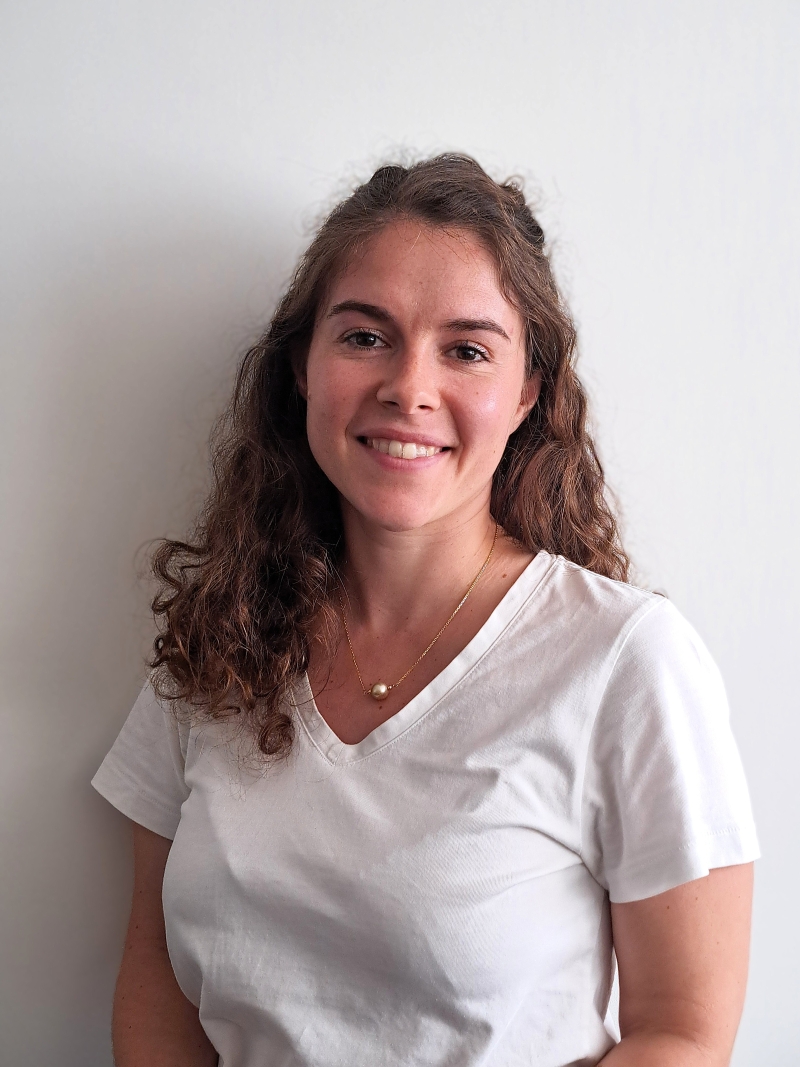
Mélanie Fiol holds a Master’s degree in Heritage Promotion and Outreach from the University of Montpellier. She has been part of the project’s administrative team since its inception.
She supports Andrea Acri’s Task Force 1 team in Paris by managing the budget and recruitment, events, purchases and travel, reportings and deliverable to the European Research Council.
Marshia Khan
Project Administrator
mantrams@
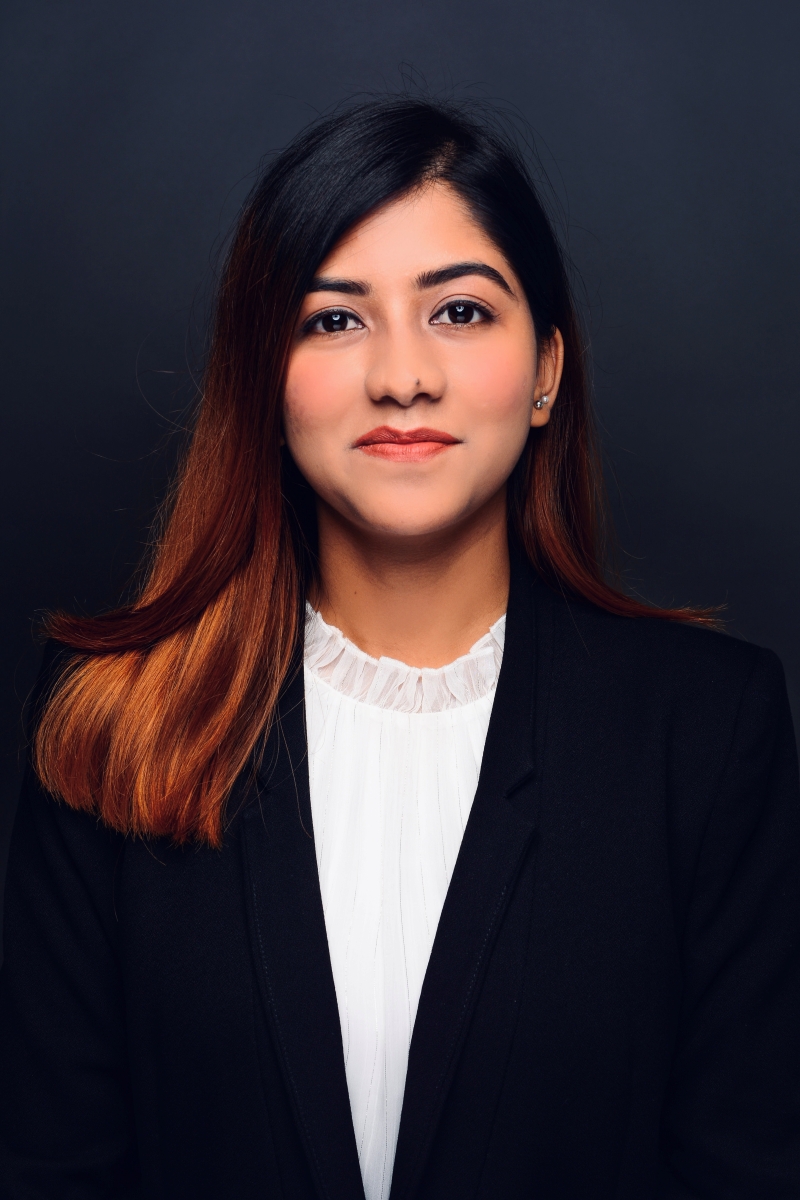
With a background in International Food Business and Agricultural Economics, Marshia Khan brings a unique blend of organizational expertise and creative problem-solving to the MANTRAMS project at the University of Tübingen. Drawing from her experience in project management, marketing, and event coordination, she supports research activities, workshops, and outreach efforts.
Whether organizing events, managing budgets, or ensuring smooth communication across teams, Marshia thrives on making complex tasks run effortlessly. Passionate about connecting people and ideas, she helps drive the project forward with both precision and a fresh perspective.
Nicole Selleng
Project Administrator
mantrams@
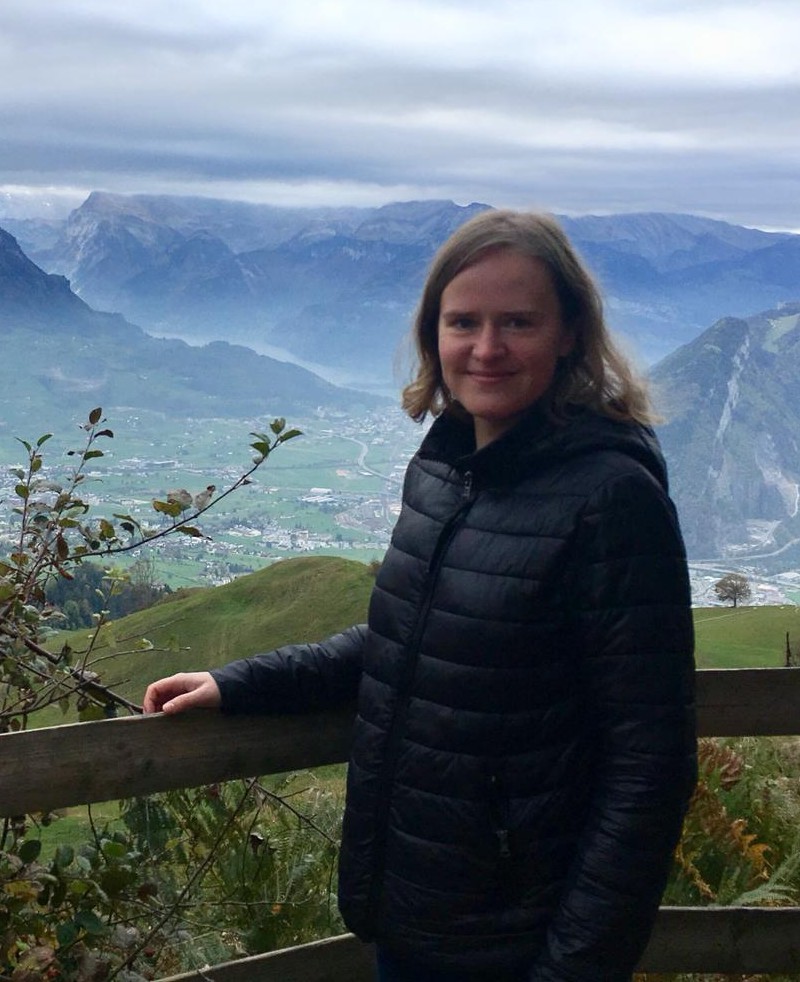
Nicole Selleng holds a Bachelor degree in Sociology and Economics from Potsdam University, followed by a Master’s degree in Social Economics from FAU Erlangen-Nuremberg. She joined the administration of the Tübingen university where she maintains databases related to the development of study courses.
In February 2026, she also joined MANTRAMS as a project assistant in Tübingen in Task Force 2 in which she manges the budget, organises events, onboards new team members and is involved in the daily communication across teams.
Devyani Bhosale
PhD Researcher
devyani.bhosale@
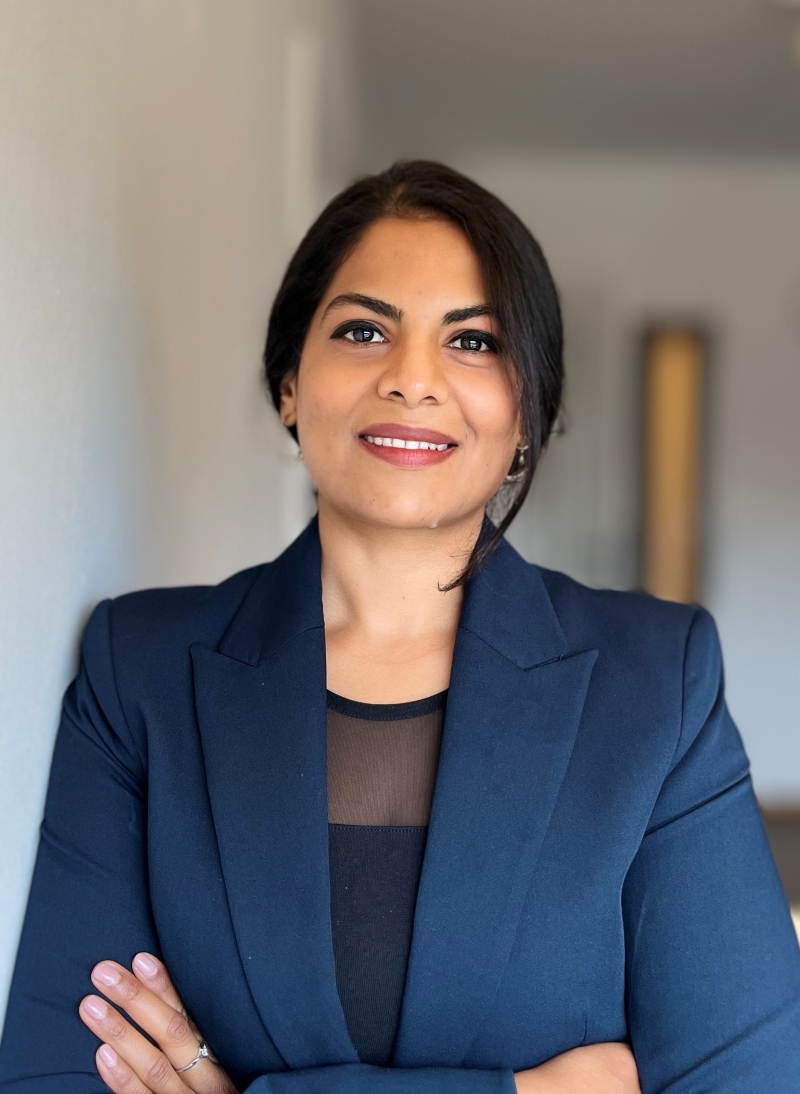
Devyani Bhosale joins MANTRAMS as a predoctoral researcher, bringing an interdisciplinary background in South Asian Studies with a focus on anthropology. She holds a Master’s in Development Environment Societies and History in South Asia from Heidelberg University, Germany. She also holds a second Master’s in Social Work in Dalit and Tribal Studies and Action from Tata Institute of Social Sciences, Mumbai, India.
Devyani’s research for MANTRAMS focuses on the role of sonic elements — such as mantras, chanting, greetings, and slogans — in the assertion of Dalit identity, visibility, and resistance in urban spaces of Western India. Devyani’s research aims to understand how these sonic practices shape and transform both physical and social landscapes creating social agency and reasserting identities. Additionally, by focusing on the marginalized voices of Dalit women, her research will also explore how sound, silence, and listening reclaim agency within male-dominated public soundscapes.
Mukul Menon
PhD Researcher
mukul.menon@
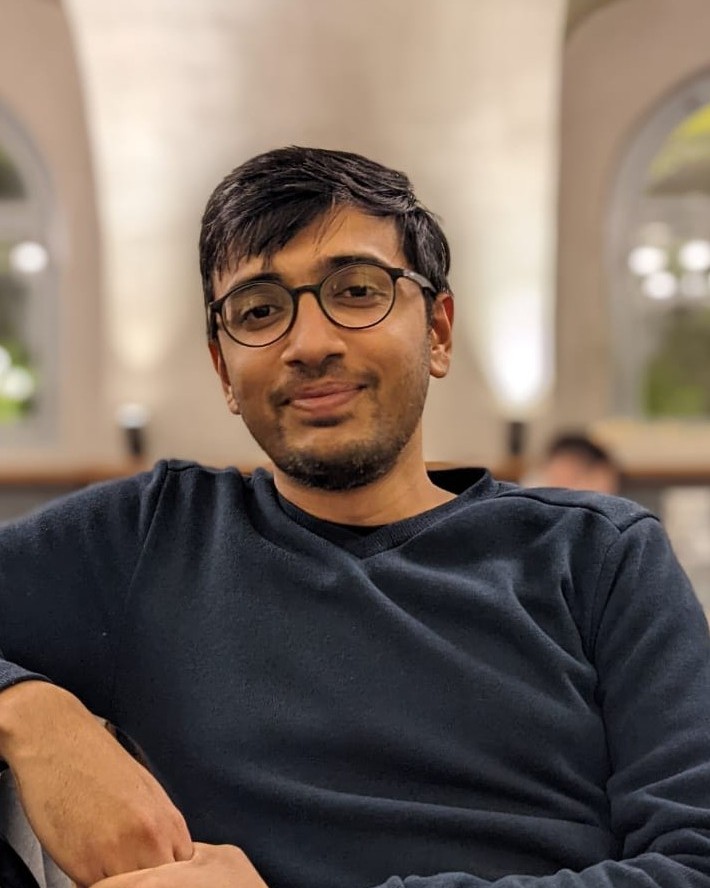
Mukul Menon joins MANTRAMS as a predoctoral researcher. His broad research interests lie at the intersections of South Asian music and auditory practices, religion, and the formation of publics and identities. His current project examines the sonic efficacies of domestic and congregational singing practices associated with Tuñcattŭ El̲uttacchan’s Adhyātmarāmāyaṇam Kiḷippāṭṭu in Kerala.
Mukul holds an MA in Media Arts Cultures from Aalborg University, University of Łódź, and Danube University Krems as part of the Erasmus Mundus Joint Masters Program. He also completed an MA in Global Media and Communications from the School of Oriental and African Studies, London, and a Bachelor’s degree in Urban Planning from the School of Planning and Architecture, Delhi. Before joining academia, he worked as a planner and filmmaker in India.
Mahjabin Hossain Akhi
Research Assistant
Mahjabin Hossain Akhi joins MANTRAMS as a research assistant for Task Force 2 based in Bangladesh, bringing a multidisciplinary background in media studies, identity politics, and visual storytelling. She holds a Master’s and Bachelor’s degree from Jahangirnagar University, where her academic work explored the intersections of globalization, digital media, and evolving identity formations.
At MANTRAMS, Akhi’s research focuses on the use of mantras in healing practices amongbauls, adivasi groups, kabiraj, and ojha practitioners in South Asia. Alongside her academic pursuits, Akhi has worked as a freelance illustrator for the past years where she created multiple comics on topics regarding women’s issues, a practice that informs her engagement with visual culture and symbolic representation in both her research and creative work.
Ishita Mahajan
Postdoctoral Researcher
ishita.
Ishita Mahajan completed her PhD in Religious Studies from the University of Edinburgh, Scotland. As part of her doctoral research, she focused on the complex ways in which territorial village deities in the Kullu District of Himachal Pradesh (India) exercised their territorial sovereignty through a network of interconnected actors.
In the MANTRAMS Project, her research focuses on the sonic elements within the deity traditions in the Western Himalayan region of India, particularly the “dev dhun”, or the sacred music of the deities played by the musicians known as “bajantari”. The music initiates and sustains the various ritual activities of each deity, including mediumship, movement of the deity's sacred objects, and interaction with the village community.
Tom Peterson
Postdoctoral Researcher
thomas.
Tom Peterson is a MANTRAMS Postdoctoral Researcher for Task Force 2 at the University of Tübingen. With a background in ethnomusicology, sound studies, and sonic histories of South Asia, his research to date considers sound arts and their sociocultural, religious, political, and historical significance in Sri Lanka and India. He holds an MMus in Ethnomusicology and a PhD in Music, both awarded by SOAS, University of London.
His work with MANTRAMS explores the metaphysic and social dynamics of sharing sacred soundspace at the multi-religious Kataragama temple complex, an important Sri Lankan pilgrimage site for Hindus, Buddhists, Muslims, Christians, and Veddas.
Yaoreipam Makang
Postdoctoral Researcher
yaoreipam.
Yaoreipam Makang is an assistant professor at the University of Delhi and a Postdoctoral Researcher with the MANTRAMS TF2 at the University of Tübingen. In 2023, he earned his PhD in Theatre and Performance Studies at the School of Arts and Aesthetics, Jawaharlal Nehru University, where he investigated the notion of personhood through various acts of rituals, rites of passage, and cultural performances of the Tangkhul Nagas in Manipur, India, and Myanmar.
As part of his work with MANTRAMS, he will conduct research on the sacred, ritualistic, and performative aspects of various sonic practices of the Nagas—chanting, utterances, music, singing, and prayers—to examine their capacity to induce spatial and temporal transformations and inform relational networks evolving within the Nagas’ cosmology.
Keith Edward Cantú
Postdoctoral Researcher
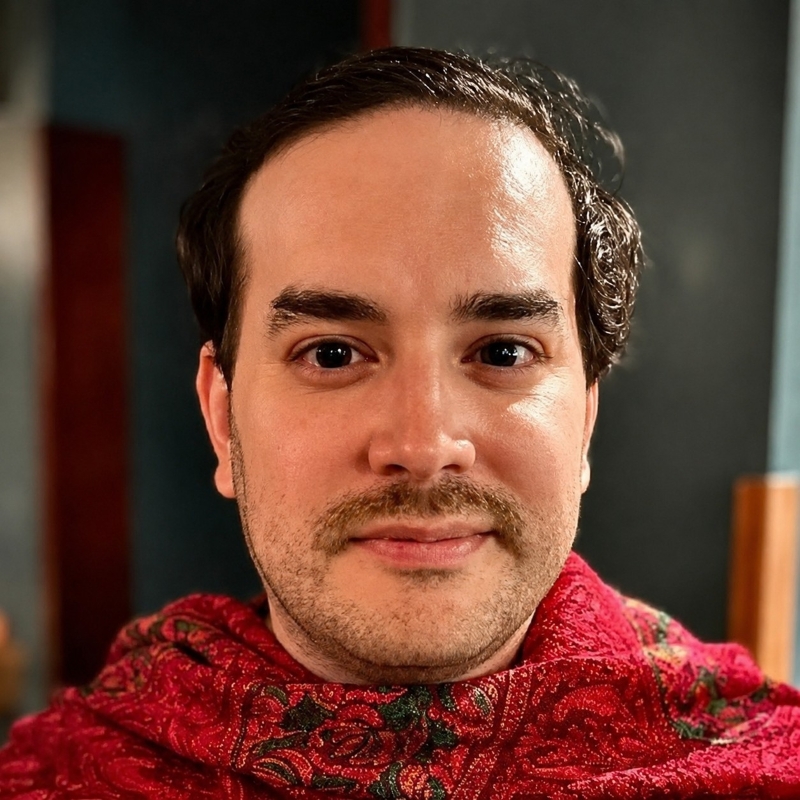
Keith Edward Cantú is a historian of religions whose interdisciplinary research especially focuses on South Asian yoga, tantra, and the interface between Sanskrit and Indic vernacular languages like Bengali, Tamil, and Hindi.
His first monograph, “Like a Tree Universally Spread: Sri Sabhapati Swami and Śivarājayoga”, was published in 2023 by Oxford University Press, and he is actively engaged in researching the role of sound in the wider circles of Sabhapati's students and teachers for MANTRAMS.
Eva Ambos
External Collaborator

Eva Ambos is a cultural anthropologist specialized on Sri Lanka. She has been working on religion, performative and ritual traditions, emotions, memory and heritage.
As part of her work with MANTRAMS, Eva will conduct research on the use of mantrams in Sri Lankan ritual traditions with a focus on gendered religiosity and affect.
Sukanya Sarbadhikary
External Collaborator
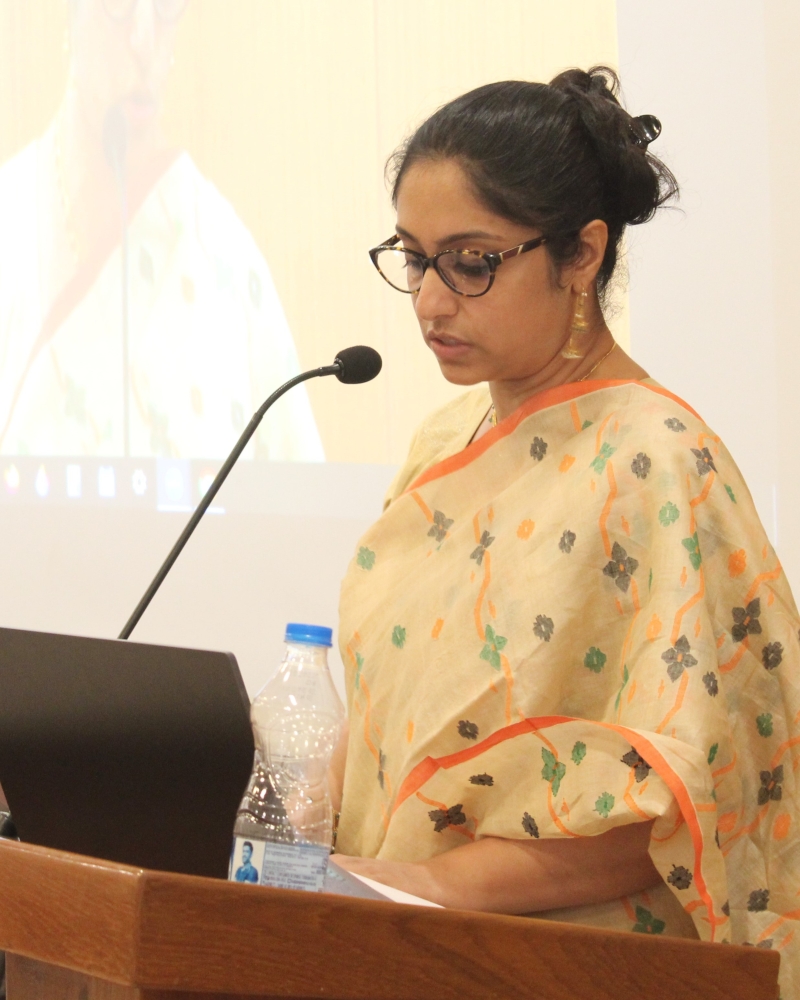
Sukanya Sarbadhikary works at the interface of the anthropology of religion, anthropology of embodiment and materiality, religious studies, and philosophy. She is also trying to merge these concerns with imminent understandings of planetary anxieties, to understand how sacralities may impact and respond to new vulnerabilities. She locates the body, senses, intuition, experience, imagination, and consecration in the interstices of everyday natural and cultural lives, and strong philosophical traditions.
Debanjali Biswas
External Collaborator
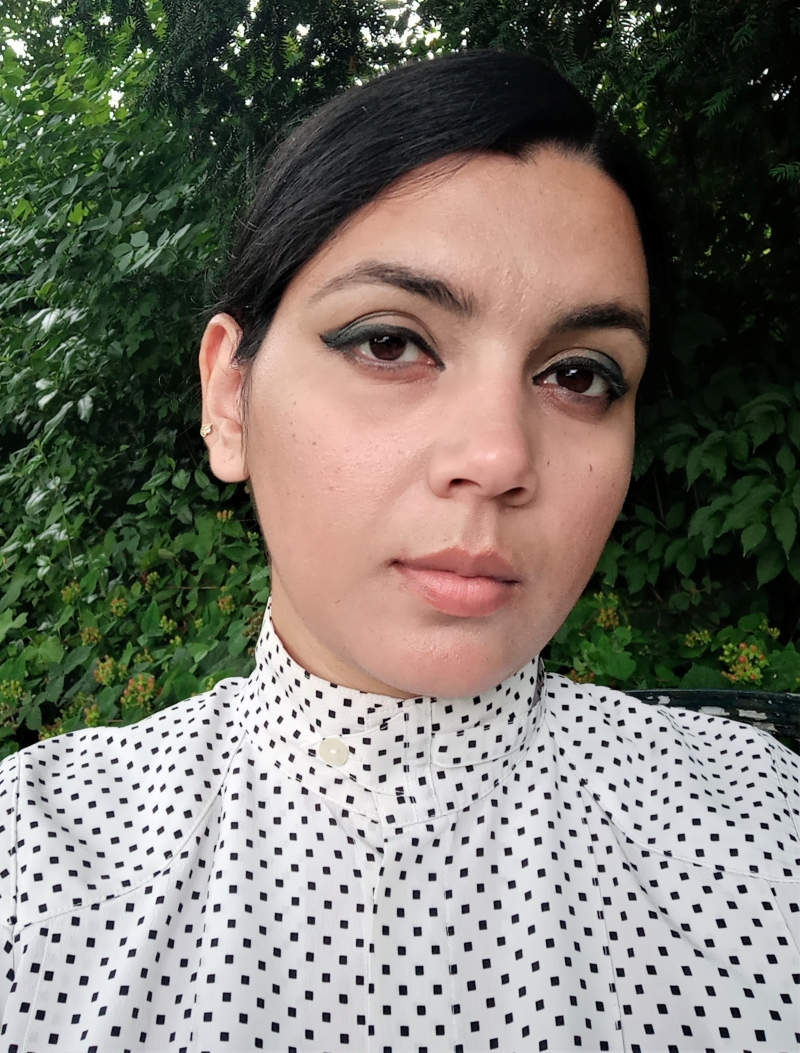
Debanjali Biswas is an early career researcher in cultural anthropology and theatre, performance, and dance studies, a Manipuri dance practitioner and performance maker. She is an External Collaborator with Task Force 2.
In her project ‘On the Heels of Musicians: Sonic Cultures amidst Enaisled Lifeworlds’, she is examining the devotional aesthetics and sonic manifestations of nata sankirtana in Manipur, Tripura and Assam in eastern India.
Aurélie Saulton
External Collaborator
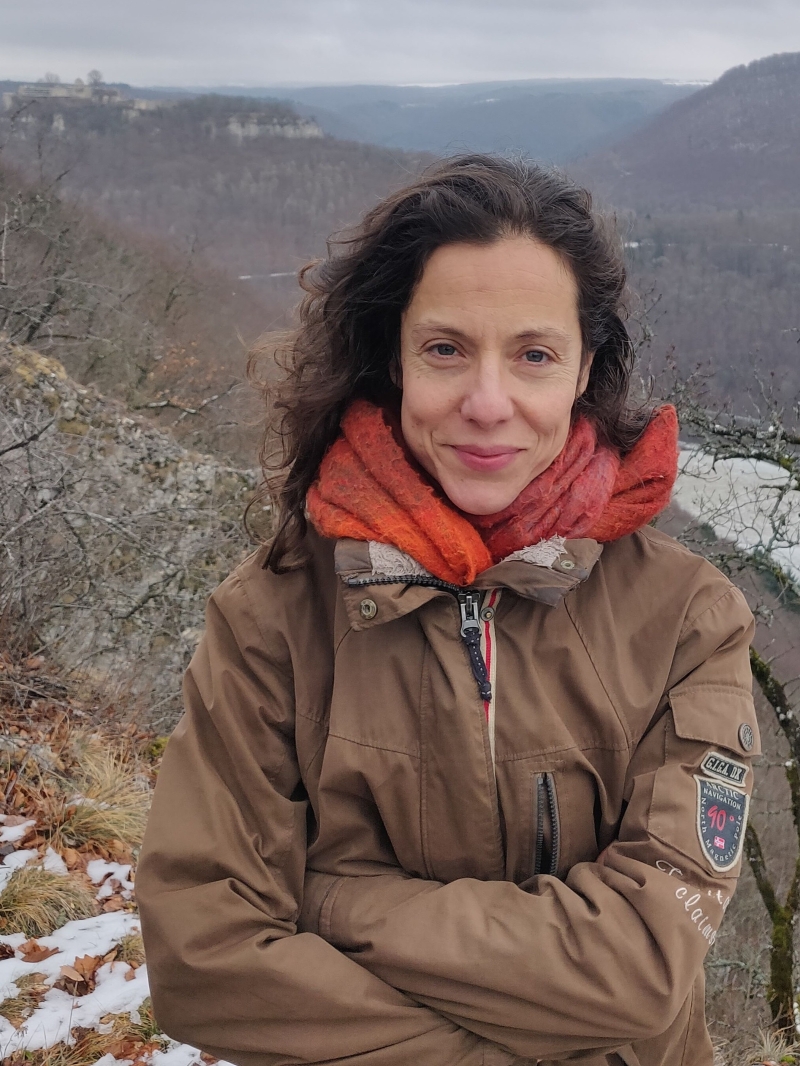
Aurélie Saulton is a neuroscientist specializing in body perception with the aim of further investigating the potential of sound to affect self-perception. She brings valuable practical experience with yoga and sound healing techniques using Himalayan singing bowls to her research. Her work will investigate how individuals from different cultural and religious backgrounds feel and apprehend their bodies during sound-healing sessions with singing bowls. Her core goal is to understand how the conceptualization of “healing” differs in Eastern versus Western contexts.
She also analyzes how these instruments have been repurposed and re-imported to construct often esoteric healing narratives, exploring how this non-canonical practice is legitimized through sacred sound. Ultimately, she focuses on how Nepalese artisans and healers are re-appropriating the singing bowl to establish a new form of authority that challenges Western-centric discourse.
Daniela Bevilacqua
External Collaborator
daniela.
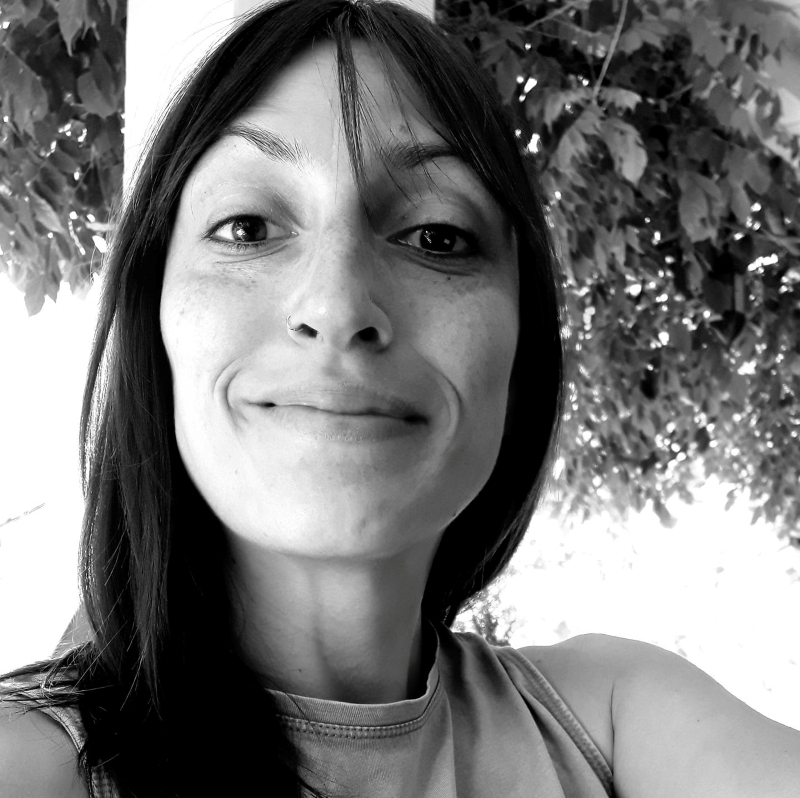
Daniela Bevilacqua is a specialist in South Asia focusing especially on Hindu asceticism and religious traditions. She holds a PhD in “Civilization of Africa and Asia” from Sapienza University of Rome and a PhD in Anthropology from University of Paris Nanterre. Since 2023, she is an integrated researcher at CRIA-ISCTE (Lisbon). She previously worked as a post-doctoral research fellow at SOAS University of London, as part of the ERC-funded Hatha Yoga Project (2015–2020).
By combining ethnographic fieldwork with historical and textual analysis, she bridges lived religion and academic research. In MANTRAMS, her project “The Bhajan of Bahucara Mata in ‘Garba’ performance: Kinnars and Women’s devotion in Gujarat” aims to analyze the sonic impact and role of the bhajan (devotional song) dedicated to the goddess Bahucara Mata during garba performance by members of kinnars and hijras communities and their female devotees.Richard David Williams
External Collaborator
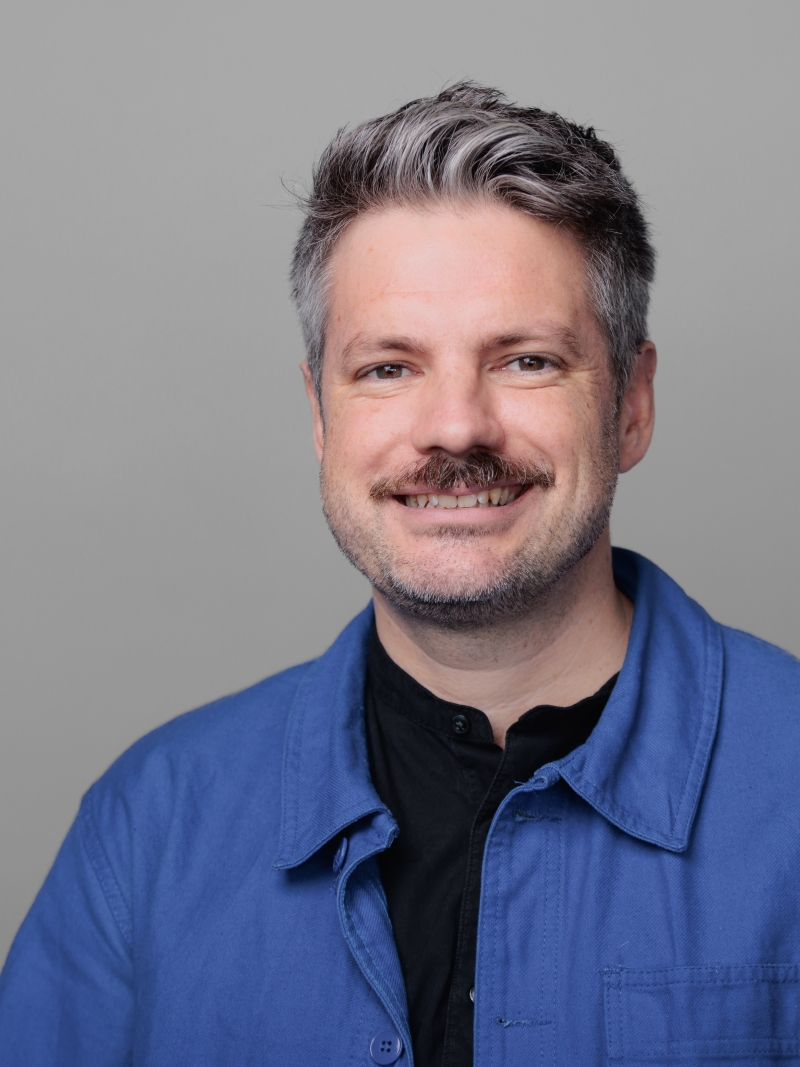
Richard David Williams is a Reader (Associate Professor) in Music and South Asian Studies at SOAS University of London. Focusing on early modern and colonial north India, his research explores music and sound in literary, courtly, and religious contexts, ranging from bhakti networks in Vrindavan to Bengali migrant workers in colonial Rangoon. His publications include “The Scattered Court: Hindustani Music in Colonial Bengal” (2023).
Williams is developing two projects as part of Task Force 2. He is exploring how non-specialist books on domestic magic incorporated mantras in late-19th and early-20th century India, with a particular focus on Muslim engagements with mantra technologies. His second project examines the significance of mantra in the musical compositions of Maharaja Man Singh of Marwar (1803-1843).
Shan Du
External Collaborator
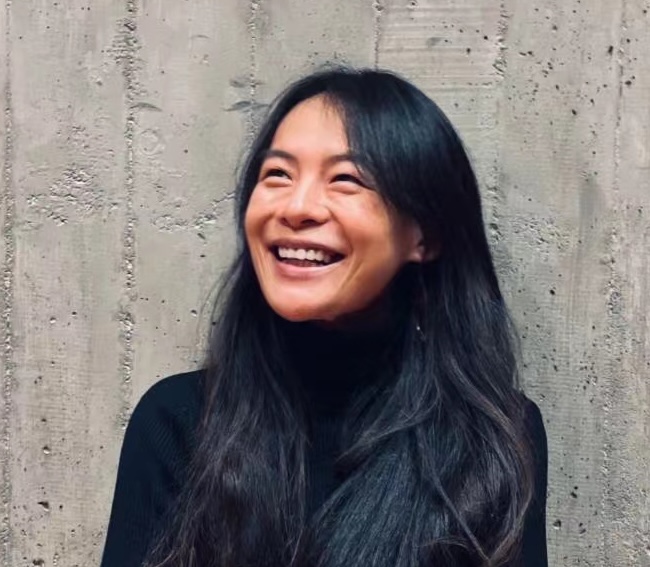
Shan Du is an ethnomusicologist and documentary filmmaker. Her research focuses on the ritual performances of the Newar people in the Kathmandu Valley. In 2023, she earned her PhD in Visual, Performing, and Media Arts at the University of Bologna, with a dissertation examining the Nava Durgā jātrā performed by the Newar community in Bhaktapur, Nepal. In 2024, she completed the documentary “Devagan”, a further outcome of her doctoral research.
From 2023 to 2025, she worked as a postdoctoral researcher at the University of Milan on a PNRR-funded project focused on mapping the sonic landscape of the city of Milan, where she was primarily responsible for filming and postproduction of the project’s multimedia outputs. Shan joined Task Force 2 of the MANTRAMS project with her research exploring sacred sound and silence in the city of Bhaktapur, contributing her expertise in filming, field recording, and editing to its multimodal development.
Austin Simões-Gomes
External Collaborator
austin.
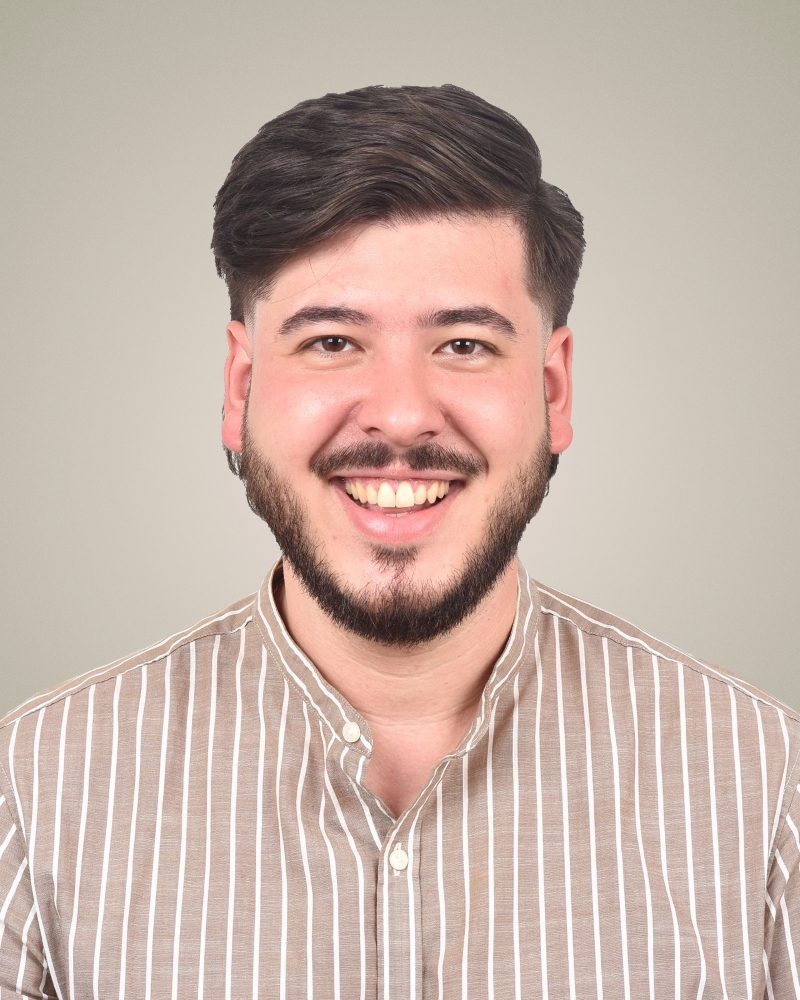
Austin Simões-Gomes (PhD University of Toronto, 2025) is an external collaborator of the MANTRAMS project. He works on Newar religion in the Kathmandu Valley, Nepal, with a particular focus on possession, divination, and healing practices among Newar Buddhist women known as dyaḥmāṃ. His doctoral dissertation, “The Goddess Will See You Now: Possession, Divination, and Healing in Kathmandu Valley Living Rooms”, examines possession by the Buddhist goddess Hāratī as a cultivated and relational form of ritual labour situated in the semi-public living room.
Drawing on long-term ethnographic fieldwork, ritual observation, and Newar-language materials, his work foregrounds women’s ritual expertise and brings female-centered religious practices, often marginalized, to the centre of Newar religious life. Across his research, he addresses questions of intersubjectivity, cohabitation between deities and humans, material and verbal ritual efficacy, and the agency of deities within lived religious practice.
Carine Plancke
External Collaborator
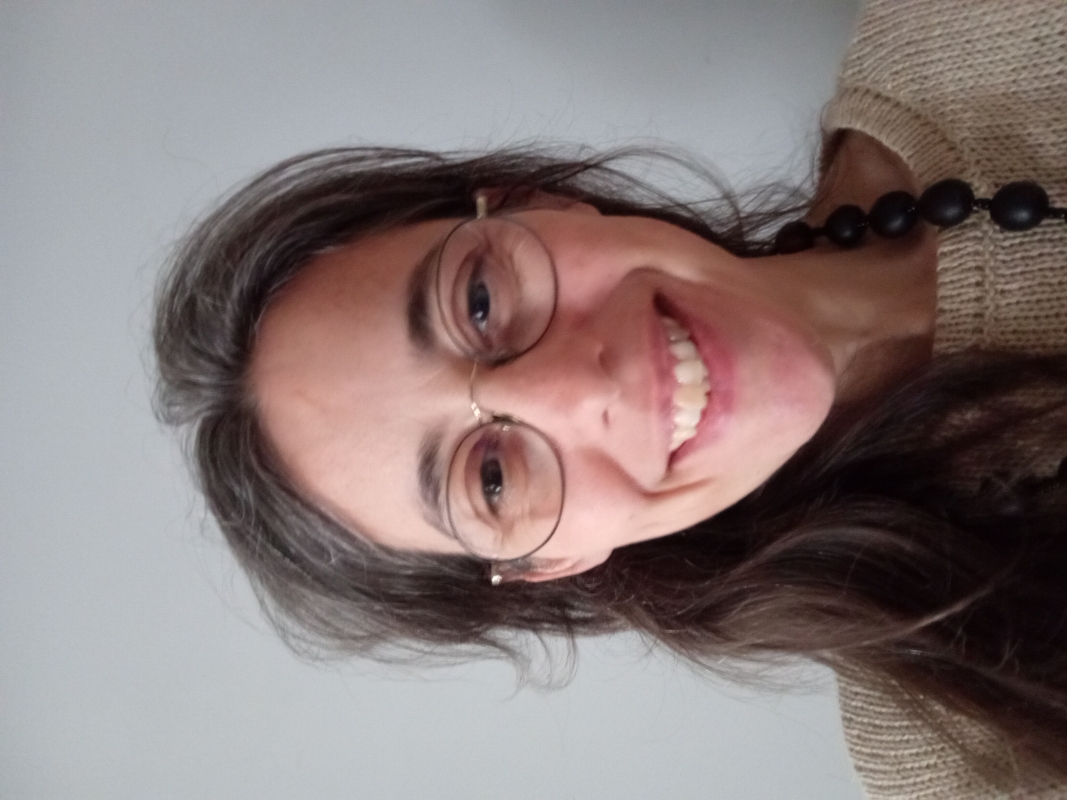
Carine Plancke is Visiting Professor at Ghent University and Director of the Centre for Research on Culture and Gender. She is involved with MANTRAMS as an External Collaborator and affiliated with Task Force 2.
Her research focuses on the body, movement, affect and gender, with a special interest in contemporary women’s spirituality and the reimagining of tantra and yoga in Western contexts. After conducting extensive research on women’s tantra and womb yoga workshops in Belgium, the Netherlands and the UK, she currently studies transnational online communities that distinguish themselves from neo-tantra and claim continuity with traditional Tantric lineages.
Within the framework of MANTRAMS, she will examine mantra practice within these communities, exploring understandings and experiences of decolonial agency and sonic healing as they are shaped by intersections of gender, ethnicity, class and cultural background.
Emily Zoe Hertzman
External Collaborator
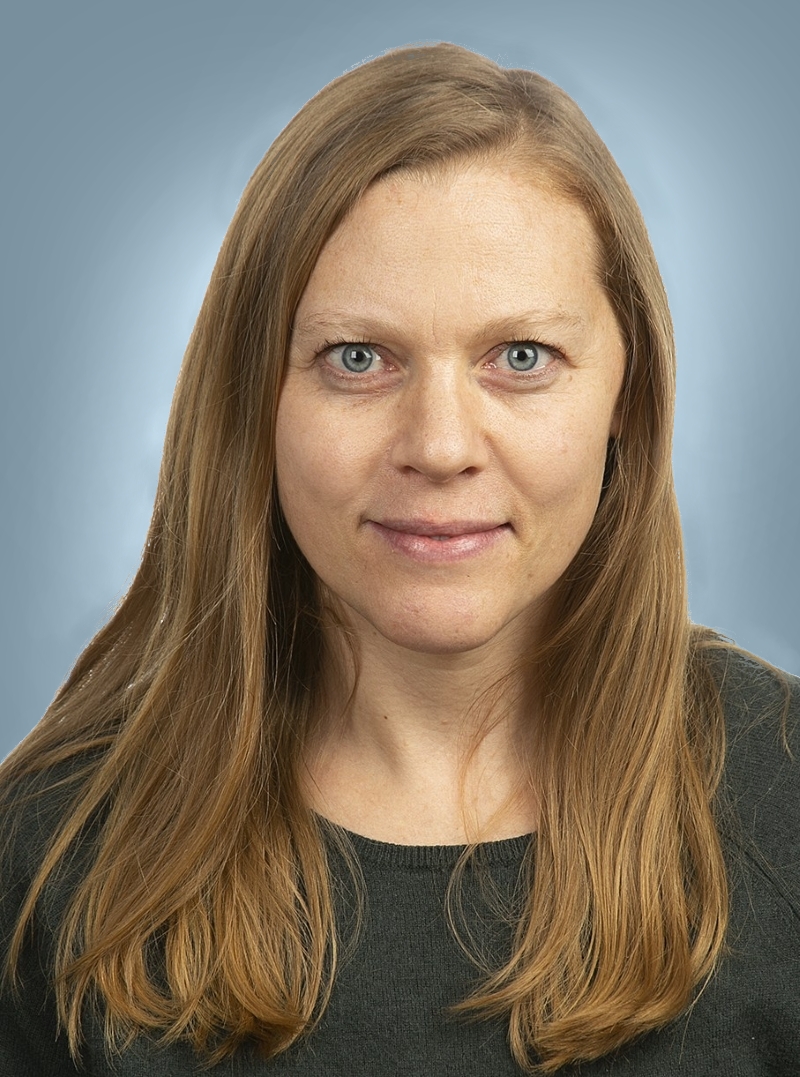
Emily Hertzman is a sociocultural anthropologist whose work examines how broader societal transformations — from economic restructuring to transnational migration — reshape fundamental concepts of home, belonging, and identity. Her research focuses on mobility, religious practice, and politics in Indonesia, particularly with Chinese Indonesian communities.
Emily earned her Ph.D. from the University of Toronto and has held research positions at the National University of Singapore and University of Toronto's Asia Institute. She co-founded the Ethnography Lab in 2014, which brings together students and faculty to promote and experiment with ethnographic research methods. She has also conducted community-based research in Toronto's Kensington Market. Currently a Research Associate in Anthropology at the University of Toronto, she's published in journals including Global Networks, Modern Asian Studies, and HAU, and co-edited a collection on Asian Religions and Covid-19.
Her current research for the MANTRAMS project explores the sacred soundscapes of Chinese folk religion in Singkawang, West Kalimantan, Indonesia.
Andrea Giolai
External Collaborator
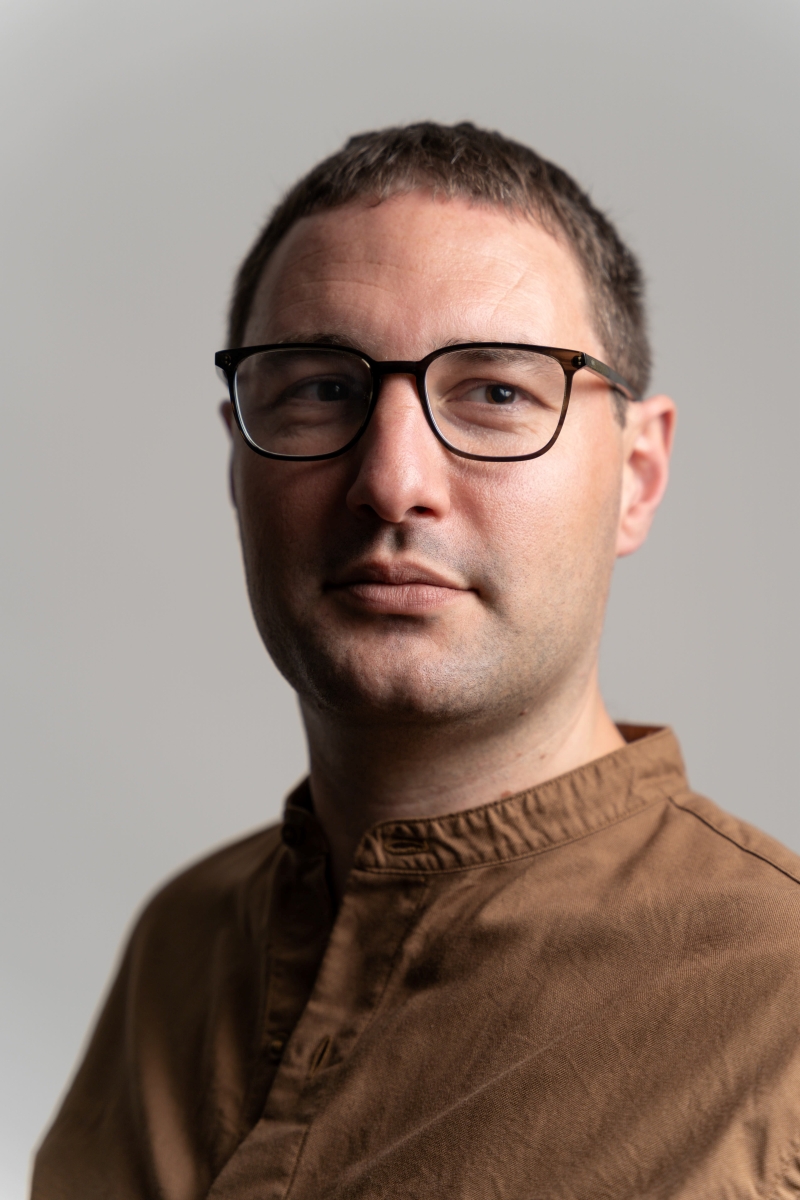
Andrea Giolai is University Lecturer (Assistant Professor) in Ethnography and Performing Arts of Japan at Leiden University, and a founding member of the Sonic Japan Research Association (SJRA). He works on sound as a cultural artifact in ancient and contemporary Japan.
His research has been published in journals like Asian Anthropology and the Journal of Religion in Japan, and in edited collections like the ‘Bloomsbury Handbook of Japanese Religions’ (2021), ‘Gagaku’ (De Gruyter 2025), and the ‘Oxford Handbook of Ecomusicology’ (OUP forthcoming). He co-edited ‘Textual Heritage’ (Berghahn Books 2025), produced an episode on Japanese sound art for “Artery”, a podcast on art and anthropology (2023), and contributed to a multimodal piece for the online exhibition “Field/Works II” (2024) with his artistic research group, the Sound Loss! Collective.
Francesca Cassio
External Collaborator
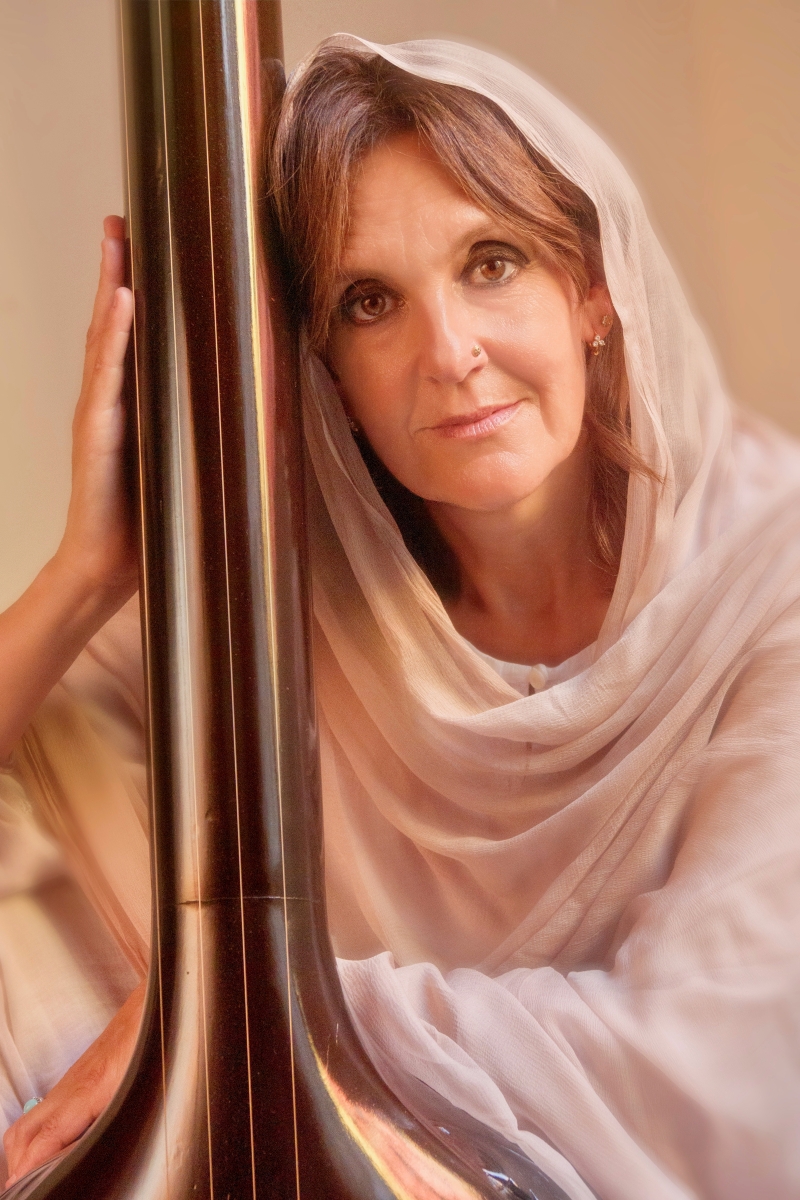
Francesca Cassio is Professor of Music at Hofstra University (NY), where she also has the honor of serving as the Sardarni Harbans Kaur Chair in Sikh Musicology, the first academic position in the United States dedicated to the study of the Sikh musical heritage. Her scholarship engages in intersectional research on music, religion, and gender ideologies, and her current areas of interest are decoloniality, repatriation, and the South Asian diaspora.
For MANTRAMS, Francesca is curating two projects that examine the recitation and the singing of mantras in Sikh and Muslim traditions: (1) “The Mūl Mantra in Sikh Literature, Philosophy, and Practice.” This research examines the significance of the Mūl Mantra within the context of Sikh philosophy, literature and practices, and the apparent contradiction with Gurū Nānak’s critiques of Hindu rituals and yoga practices, including the mantra recitation. (2) “Singing Mantras in the Dhrupad of the Dāgar Bānī.” Based on archival recordings and original (unpublished) manuscripts, this project explores the practice of the singing of Sanskrit formulas as part of the dhrupad renditions performed by hereditary Muslim musicians of the Dāgar Bānī (style).
Edoardo Elia Avio
External Collaborator
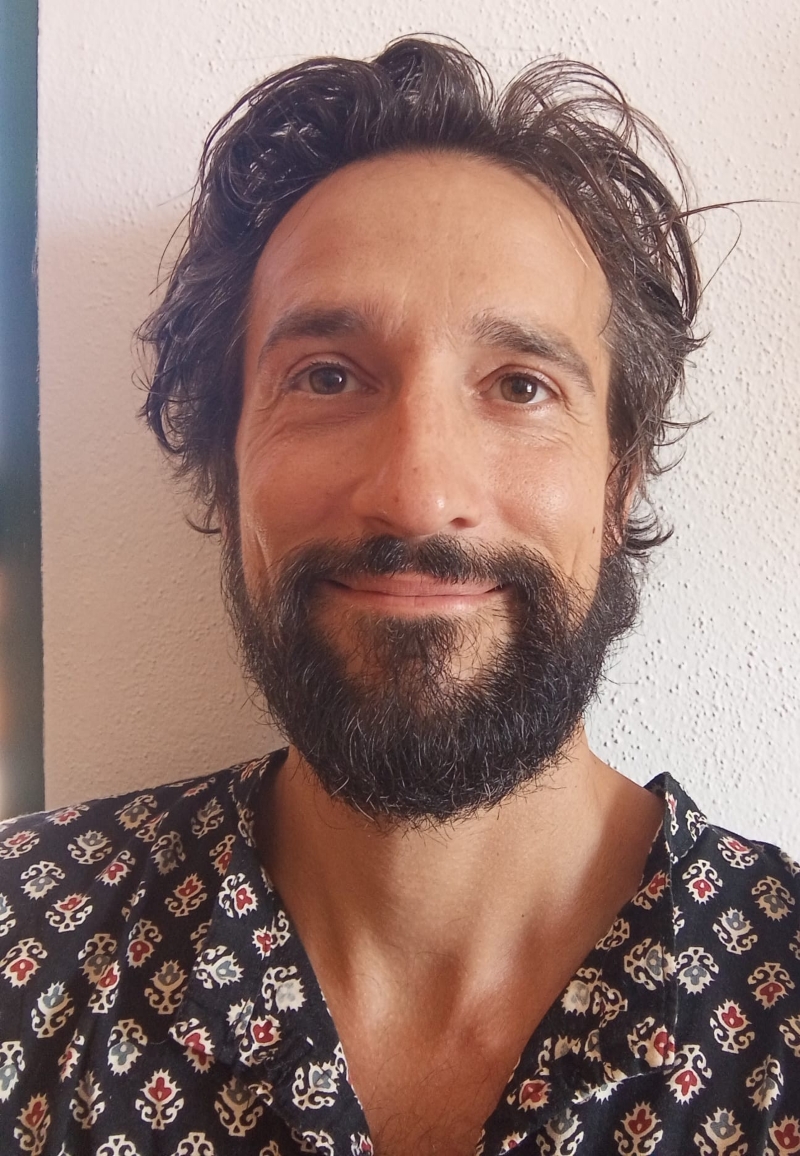
Edoardo Elia Avio is a researcher in South Asian studies. He earned a Ph.D. in Civilisations of Africa and Asia from Sapienza University of Rome, during which he spent a semester at the Department of Anthropology of the École des Hautes Études en Sciences Sociales (EHESS) in Paris.
His research focuses on sacred sound, ritual practice, and performance, with particular attention to South Asian religious traditions. His doctoral research examined the ritual performances of sex workers, erotic and ritual entertainers, and dancers in Hindu temples during the Navarātri festival in Varanasi, Uttar Pradesh, India. Drawing on immersive ethnography, participatory methods, and life-story interviews, he explored the intersections of ritual, performance, gender, and religion.
As a contributor to the MANTRAMS project, his current research focuses on the relationships between sacred sound, ritual practices, embodiment, and therapeutic healing through ethnographic fieldwork conducted in a small Hindu āśram in Kerala.
Rohit Singh
External Collaborator
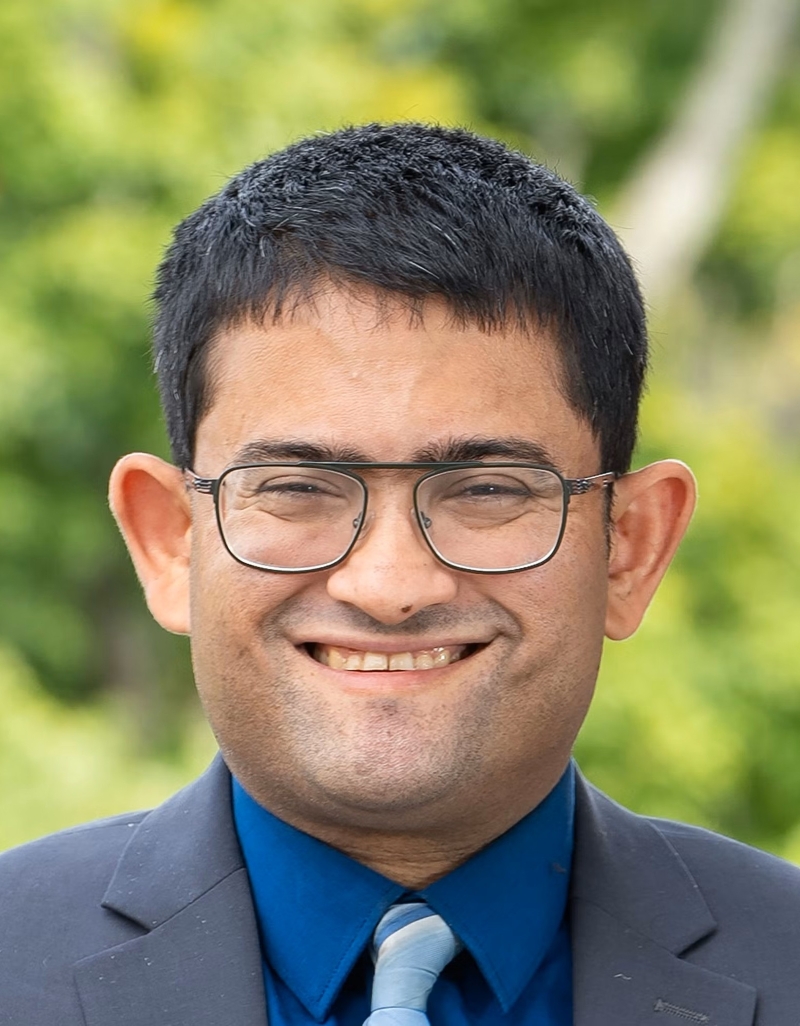
Rohit Singh is an Assistant Professor of Religious Studies at Denison University who specializes in Tibetan and Himalayan religious traditions. His research focuses on the ethnography of Tantra, particularly ritual practices in the Buddhist monasteries of Ladakh.
As an external collaborator with MANTRAMS Task Force 2, he will examine mantra recitation as a form of religious labor within monastic communities. His project asks how divisions of labor among monks and ritual specialists shape the production and perceived sonic efficacy of mantras in Ladakhi monasteries. By studying who performs mantras, how responsibilities are distributed, and how different forms of expertise are recognized, his research explores the relationship among labor, institutional organization, sound, and ritual power.
Geraldine Quénéhervé
Data Protection Officer (DPO) and Digital Humanities Consultant
geraldine.queneherve@
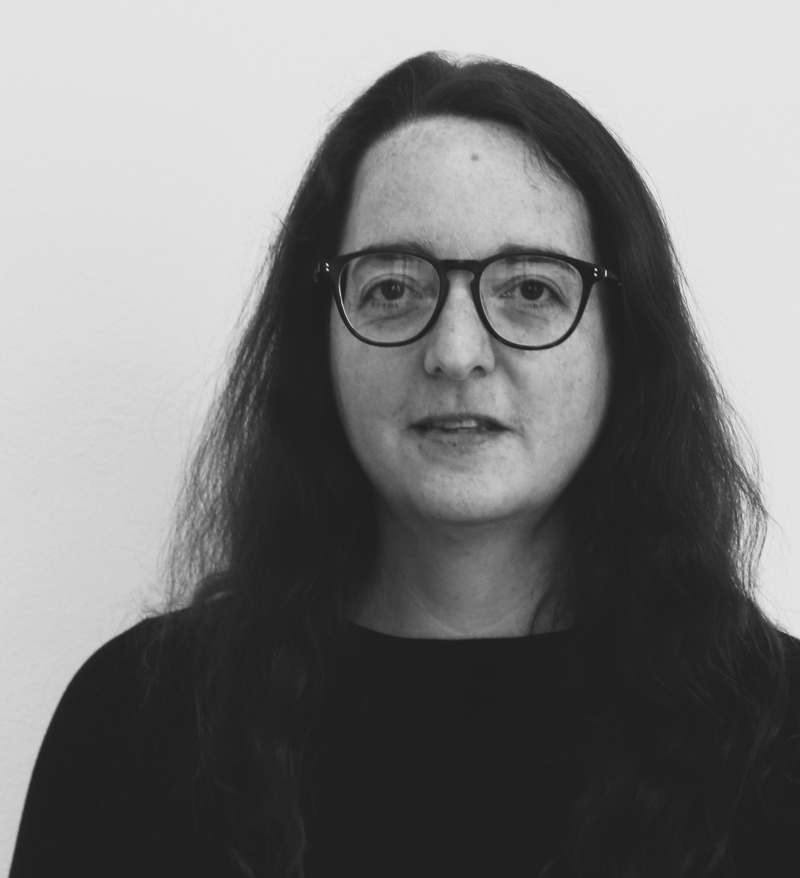
Geraldine Quénéhervé is a member of the Digital Humanities Center (DHC) at the University of Tübingen. The DHC supports the MANTRAMS project in areas such as the data life cycle, research data management, data management planning, the development of digital infrastructure, and data archiving. In addition to this, Geraldine also serves as the Data Protection Officer (DPO) for the MANTRAMS project. She handles all inquiries with care and confidentiality, so please don’t hesitate to reach out with any concerns!
Geraldine’s academic background is in geomorphology and geodata analysis, with a focus on arid and semi-arid regions in Eastern Africa and the Near East. In her current role, she integrates geo(spatial) technologies into projects in the fields of cultural, historical, and social research.
Steve Kaminski
IT Administrator
steve.kaminski@
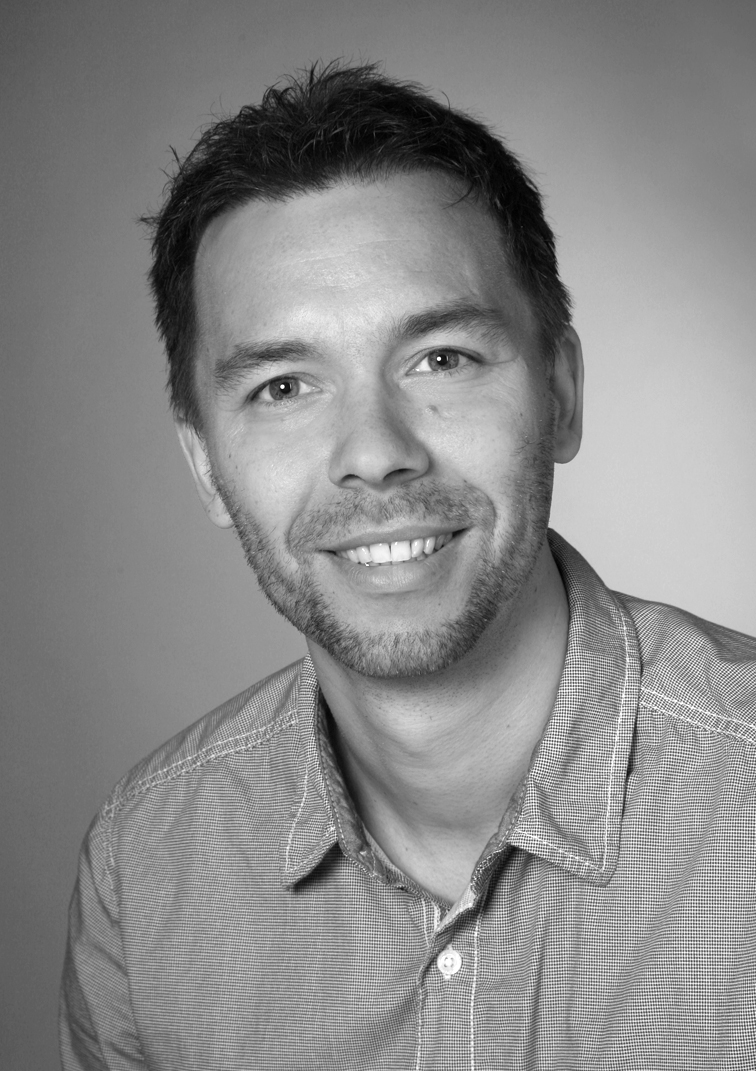
Steve Kaminski joins MANTRAMS as a technical assistant to provide support for the project’s digital infrastructure and data management systems. Working closely with the project’s Digital Humanities and Data Management Officer (DHDMO), he ensures the reliable setup, configuration and maintenance of web services that support the project’s research activities and data workflows.
With a background in information systems for research data management at the University of Tübingen, Steve specializes in the technical implementation and operational maintenance of digital platforms. His responsibilities include configuring and troubleshooting web services, managing server infrastructure, ensuring system security and performance, and providing technical support for data ingestion and processing pipelines that feed into the MANTRAMS Data Hub and the OMnibus of MANTRAMS.
Kanika Pruthi
PhD Researcher
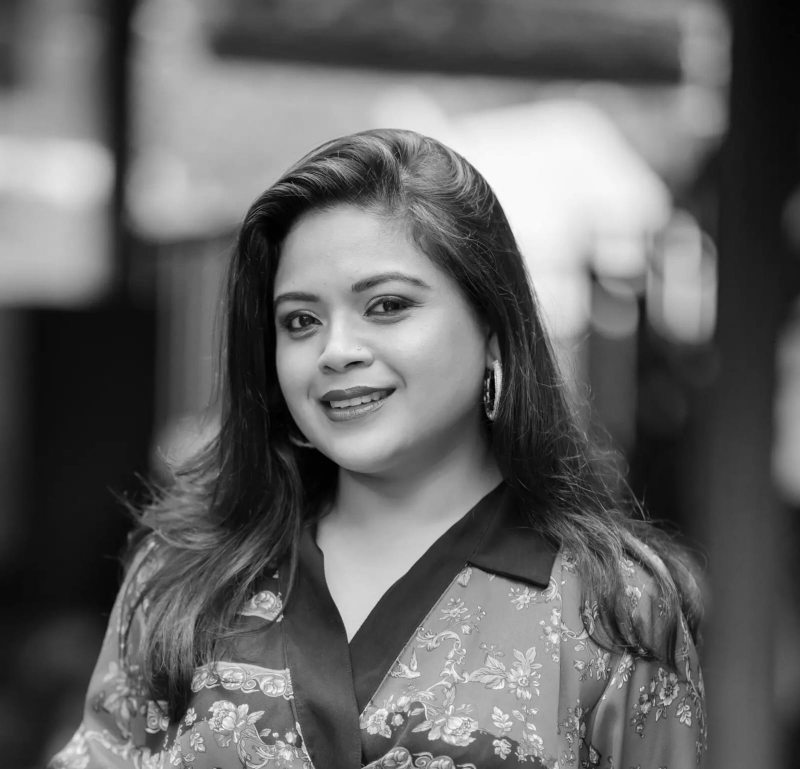
Kanika Pruthi joins MANTRAMS as a predoctoral researcher, bringing extensive experience in art history, project management, and cultural research. She holds a Master’s degree in Art History from the National Museum Institute in New Delhi and a Graduate Diploma in Art Business from Sotheby’s Institute of Art in New York. Her professional journey encompasses various roles in the art and culture sector, including research, archiving, curatorial development and project management, with a specialization in South Asian art and cultural practices. She has worked with public and private museums and collections and heritage focused projects, to create and manage archives, exhibitions and public outreach programs.
Kanika’s research for MANTRAMS focuses on the figure of Hanumān in North India in the 21st century. She explores this phenomenon through Visual Studies and Digital Anthropology.
Lucy May Constantini
Postdoctoral Researcher
lucy.may.constantini@
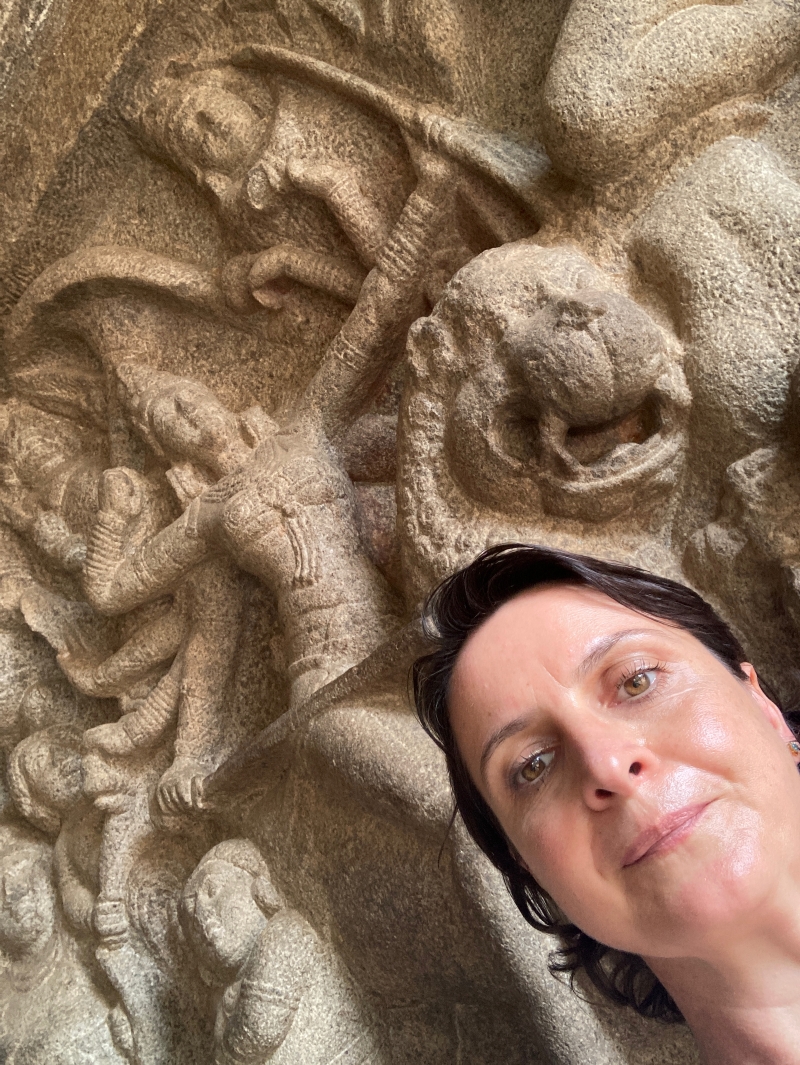
Lucy May Constantini joins MANTRAMS as a postdoctoral researcher, bringing a rich interdisciplinary background somatic methodologies in ethnography, performance studies, and philology, with a regional specialisation in Kerala, South India. She completed her PhD at The Open University, where her research focused on kaḷarippayaṟṟ ̆ , a South Indian martial art, exploring its embodied practices, ritual contexts, and material culture.
As part of MANTRAMS, Lucy will investigate the materiality of mantra practices in Kerala, focusing on the interplay between aural, somatic, and visual senses in the transmission of mantras. Her research explores how mantras, as embodied processes, maintain or transgress social and cosmic hierarchies, and how they are expressed through various material objects and practices, from sacred amulets to ritual performances.
Prema Goet
PhD Researcher

Prema Goet joins MANTRAMS as a predoctoral researcher, bringing a wealth of interdisciplinary expertise in South Asian Studies. He holds a Master’s degree in Traditions of Yoga and Meditation from the School of Oriental and African Studies (SOAS), University of London, where his thesis explored the themes of reality and magic in the Bhāgavata Purāṇa. Prema also holds a Bachelor of Arts in South Asian Studies and Sanskrit from SOAS, with a year of study in Pune, India. He has also engaged with these topics in relation to film, photography and media as well as in archival and curatorial work.
Sahishnu Bhattacharyya
PhD Researcher
sahon.bhatta
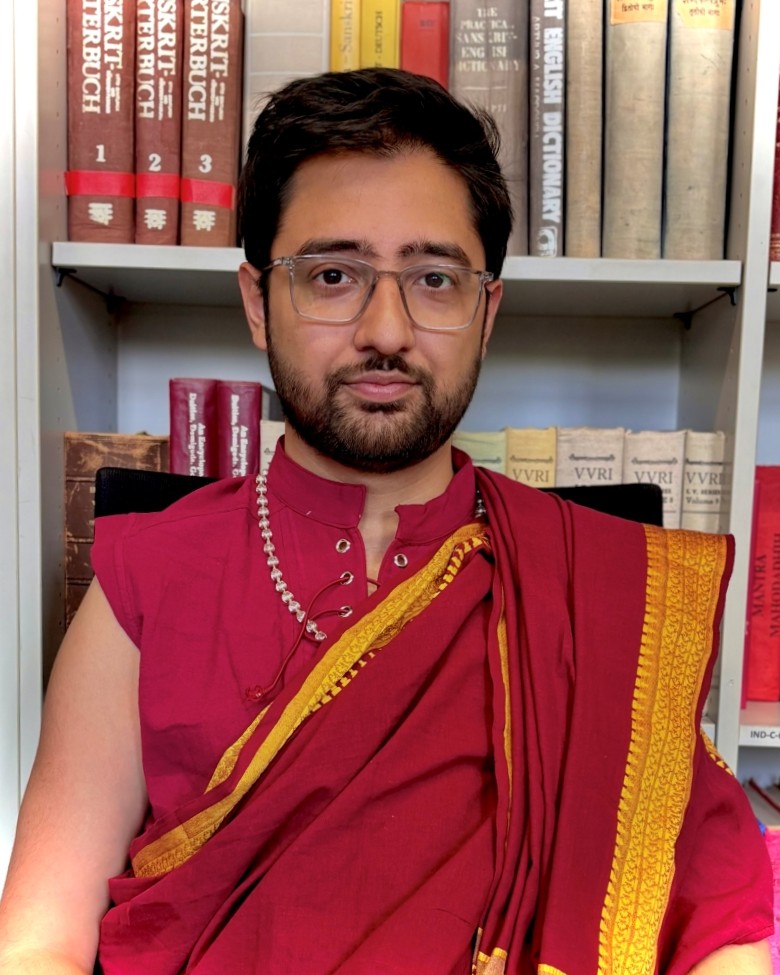
Acharya Sahon “Sahishnu” Bhattacharyya joins MANTRAMS as a predoctoral researcher, bringing a rich interdisciplinary background in cognitive science, philosophy, and anthropology. He holds a Master of Science in Cognitive Science (Philosophy and Neuroscience) from the University of Osnabrück, Germany, and a Bachelor of Science in Computer Science from the University of Calcutta, India. He is traditionally trained in Hindu ritual as a purohita (priest) and is also a sadhaka (practitioner) of eastern Indian tantra traditions.
Sahishnu’s research for MANTRAMS will focus on the material dimensions of mantras in contemporary South Asian religious practices. His project aims to study how mantras are inscribed, produced, and used across various material mediums in everyday religious life by combining ethnographic fieldwork, material observation, and comparative analysis.
Lea Stiller
Project Administrator
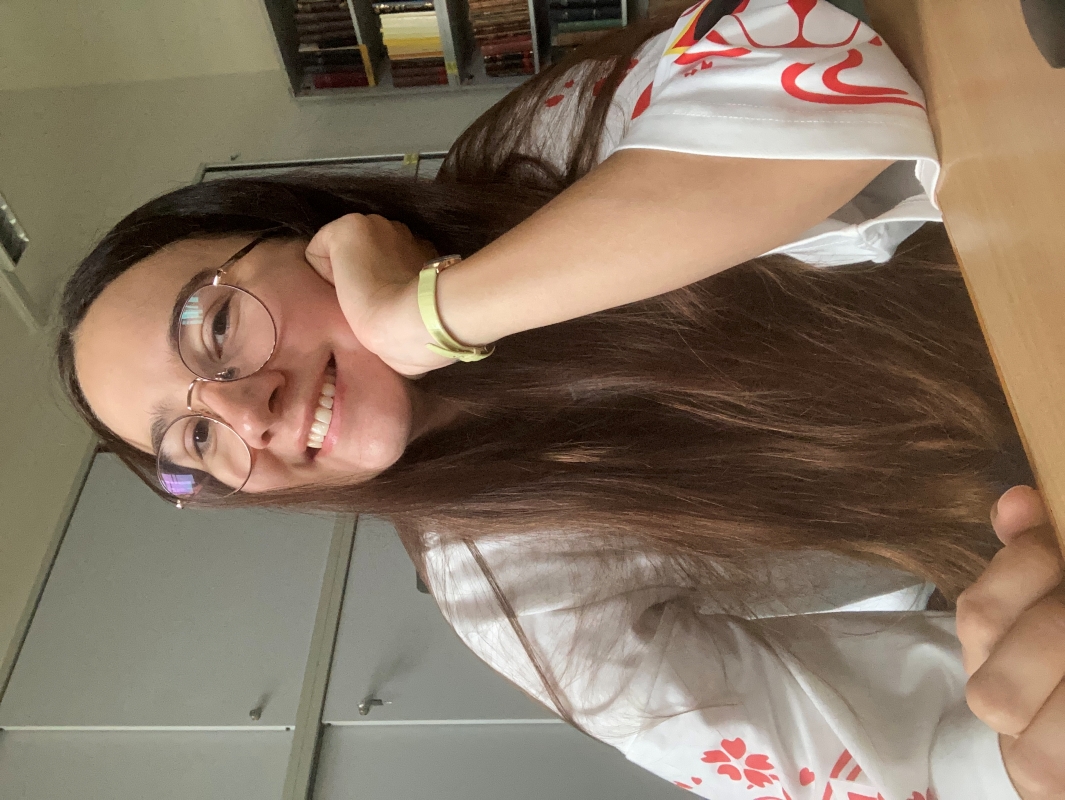
Lea Stiller supports the MANTRAMS team in Vienna with project administration and management, helping to coordinate research activities, events, and deliverables. She plays a key role in organizing workshops, managing budgets, preparing reports, and assisting with outreach efforts.
As a Master’s student in the Languages and Cultures of South Asia program, Lea’s academic interest lies in the intersection of mantra and yoga. She combines her administrative expertise with a deep passion for the project’s themes, contributing to its success on both practical and intellectual levels.
Luisa Masznitz
Administrative support
Luisa is a young researcher and university assistant specialising in Modern South Asian Studies. She has a background in gender studies, religion, and socio-cultural change in contemporary India, with a particular focus on lived religious and cultural practices in daily life. Her current research takes her to the mountain communities of northern India, where she explores the intersections of gender, environment, and religion through fieldwork.
For MANTRAMS, she will take on certain administrative tasks relating to the research data collected during field trips of TF3. This includes annotating, cataloguing and inventorying image, audio and video material, translating interviews, recording and organising metadata, and carrying out other research-related administrative tasks. With experience in library work, translation and interpretation, and international collaborative projects, she is able to provide hands-on support to the TF3 team
Piyush Kukrety
Research Assistant
Piyush Kukrety holds a postgraduate degree in Comparative Religion from Jamia Millia Islamia, New Delhi. He currently teaches Sociology, Hinduism and History for Cambridge AS and A level learners. He is based out of India, and is inclined towards exploring the diverse ways in which religiosity is expressed in Indian religious traditions. He is particularly interested in understanding the historical evolution of religious expression and how the nature of objects associated with religiosity has evolved over time.
Piyush is passionate about floral traditions in Hinduism, and avidly pursues learning garlanding techniques from various parts of the Indian subcontinent. By extension, he is a keen observer of Alankara (adornement) practices in various Indian devotional-spiritual contexts. He also fervently pursues floor art traditions such as Kolam, Alpona and Aripan and seeks to understand the embedded symbolism in their motifs.
Shubham Kumar
Research Assistant
Shubham Kumar holds a postgraduate degree in Sanskrit and Indian Philosophy from Panjab University, Chandigarh, and a postgraduate diploma in Manuscriptology from the University of Mysore. His primary research interests center on Indian folk traditions and folk deities, with particular attention to their role in reconstructing historical narratives and cultural identities.
As a traditional practitioner of the (Nātha) Bhagat tradition — an understudied and methodologically complex vernacular milieu — he is keen to foreground its intellectual and ritual dimensions within contemporary academic discourse.
His work highlights the methodological importance of oral traditions, not only as carriers of indigenous knowledge but also as critical sources for understanding the lived experiences of communities often absent from formal historiography. Through this lens, he aims to contribute to a more nuanced understanding of Indian history and philosophy that foregrounds the interplay between textual traditions and vernacular religiosity.
Prathik Murali
External Collaborator
Prathik Murali is a doctoral candidate at the University of Florida. Trained in Tamil, Manipravalam, and Sanskrit, he currently studies Śrīvaiṣṇava temple festivals that enact hagiographies of the āḻvārs and ācāryas.
At MANTRAMS, he will contribute his study of Tamil festivals as a source of Synaesthetic and Multisensory Engagement of Mantras. He has performed fieldwork and observed various festivals that engage directly with mantras in the Tamil country, both Śaiva and Vaiṣṇava. These festivals create a mantra public through a collective embodiment and engagement with mantras.
Xenia Zeiler
External Collaborator
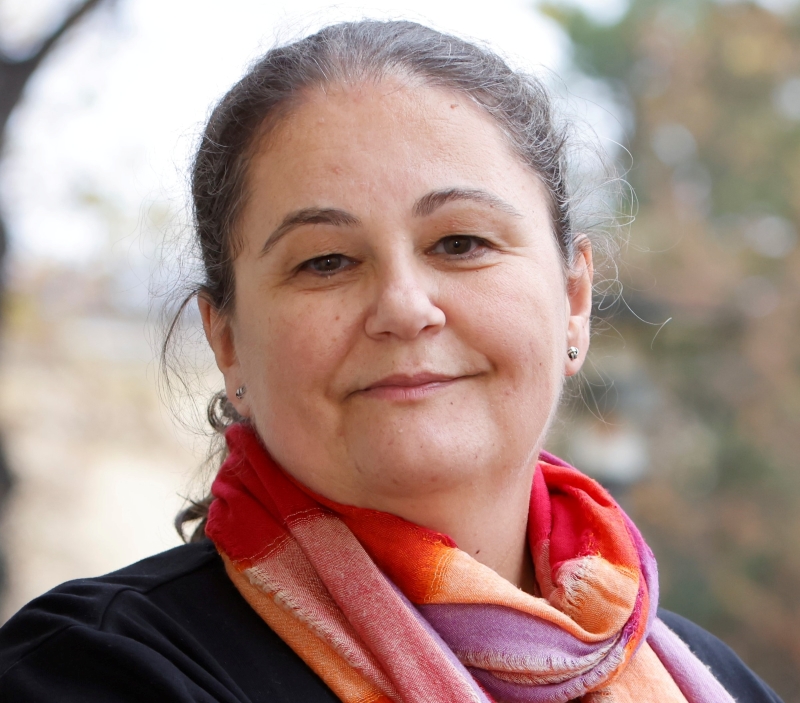
Xenia Zeiler is Professor of South Asian Studies at the Department of Cultures, Faculty of Humanities, University of Helsinki. Her research and teaching are situated at the intersection of digital media, culture, and society, specifically as related to India and global Indian communities. Her focus within this wider field of digital culture is video games and gaming research, in India and beyond. Closely related to and supporting this are her other major research areas: In order to understand how digital spaces such as social media or video games, and more traditional media formats such as film or TV, shape and are shaped by various actors, she researches and teaches digital religion, popular culture, cultural heritage, and mediatization processes.
In MANTRAMS, she primarily researches digital mantras - including mantras and AI, mantras and video games, and digital mantras in global contexts.
Avni Chag
External Collaborator
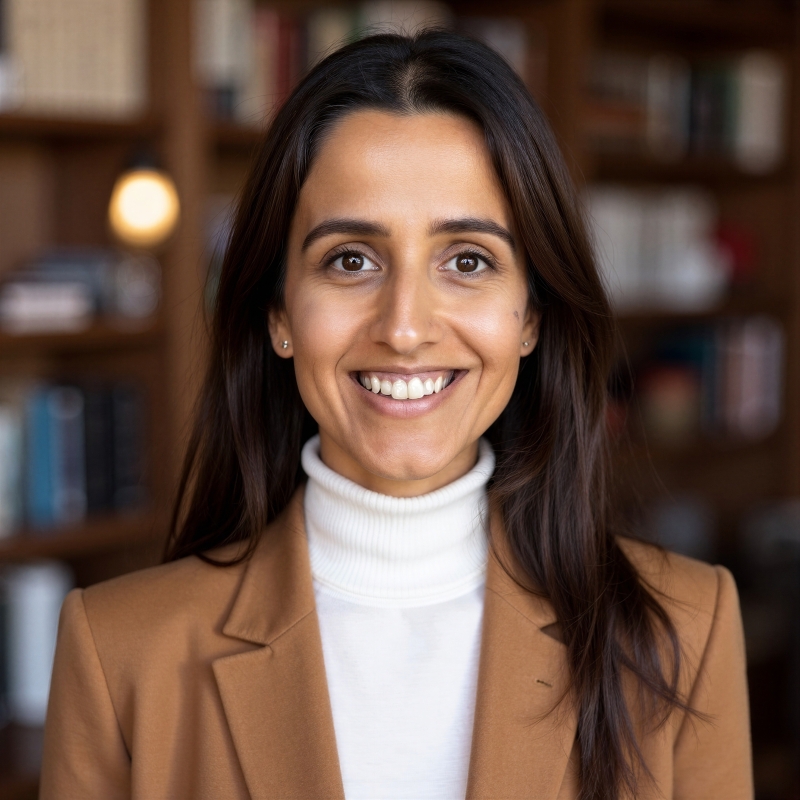
Avni Chag is an instructor-researcher specialising in South Asian material history, religion, and museum studies, with over a decade of experience working across leading museums, libraries, and cultural heritage institutions. Her work bridges academic research and professional practice, with a particular focus on the material and visual cultures of South Asia, manuscript traditions, and the politics of collecting and representation within global museum contexts.
She will examine the mechanisms of displaying Mantra artefacts both in sectarian and devotional contexts (temple reliquaries and home shrines), and ask whether such artefacts continue to occupy the same devotional context they did before they were placed behind a glass case.
Dominik A. Haas
External Collaborator
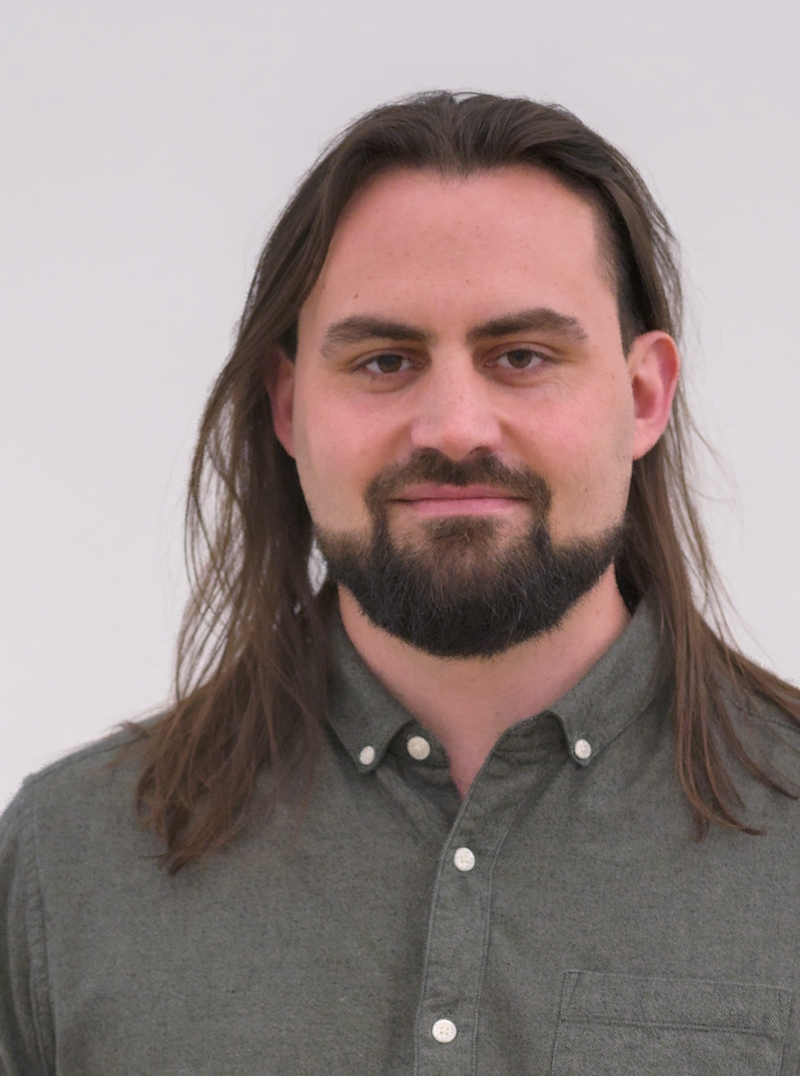
Dominik A. Haas is a postdoctoral researcher at the Austrian Academy of Sciences and an external collaborator on the MANTRAMS project (Task Forces 1 & 3). He is the author of “Gāyatrī: Mantra and Mother of the Vedas,” the first book to reconstruct the history of a single mantra from ancient South Asia. As a Vedicist and Sanskritist, he studies mantras from historical, religious studies, philological, and linguistic perspectives.
Currently, he is researching the historical emergence and diversification of the practice of mantra repetition (japa) and the development of devotional telling beads (akṣamālās or “rosaries”).